
Change in Media Discourse: An Urgent Necessity to Keep Pace with the Times
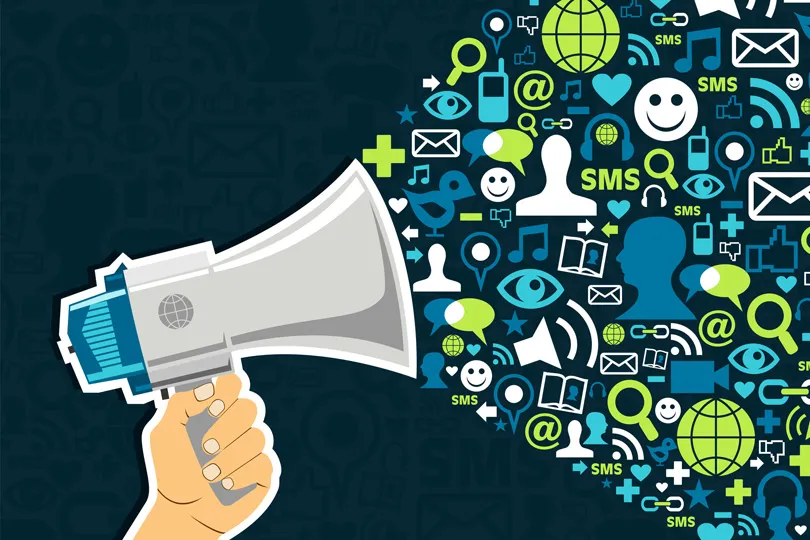
In light of the rapid transformations the world is witnessing at all levels, change in media discourse has become indispensable. It is no longer possible to rely on rigid traditional methods that do not keep pace with the great diversity created by electronic media. Media openness and the multiplicity of digital platforms require reconsidering the ways media messages are presented so that they are more flexible and precise
Flexibility in media discourse means the ability to adapt to the changes of each stage and to the current circumstances the country is going through. Media marked by rigidity become disconnected from reality and unable to have a positive influence on the public. Hence the media must be studied and suited to different contexts, not improvised, so as to present content that reflects the needs of society and serves its interests.
Because holding on to traditional methods in media presentation may lead to counterproductive results, especially when there are those lying in wait to exploit any statement in order to misinterpret or distort it. Traditional media are often marked by formality and slowness, which makes them liable to be overtaken by fast and interactive electronic media. Therefore this rigidity must be overcome and more lively and dynamic methods adopted.
Electronic media have become the most influential tool in shaping public opinion. Their ability to reach audiences in record time makes them a main platform that cannot be ignored. But on the other hand, this power comes with great challenges, most notably the rapid spread of rumours and misleading information. Hence media discourse must make use of these platforms in smart ways, while preserving credibility and transparency
In an open world, the media have become a field of intellectual and political conflicts. Hence media institutions must be careful and deliberate in formulating their messages, while responding quickly to any attempts at distortion or insult. It is necessary to use analytical tools to monitor trends in public opinion, and rapid interaction with events can be an effective means of limiting the influence of those lying in wait.
The future of the media requires a discourse that combines professionalism and innovation. Media discourse must be supported by modern technology and smart data analysis, with a focus on presenting content that strikes a balance between conveying the truth and strengthening stability and public awareness, using unconventional or unusual methods; in addition, media professionals must be trained to understand the complexities of digital media and how to use it positively, and to carry out surveys to measure opinion.
Change in media discourse is not an option but a necessity imposed by the transformations of the age. Flexibility, innovation and transparency are the basic pillars on which the media must rely in the future. Only through this approach can the media keep pace with the challenges and remain an effective means of communication and positive influence in societies.
Public opinion polls are one of the basic tools for understanding the trends and needs of society; in light of rapid transformations and growing challenges, these polls have become indispensable for achieving effective communication between institutions and the public and for directing decisions and policies in a way that reflects people’s priorities. And for measuring the impact of the media message in order to improve it and achieve its goals, (to be continued).