
Child Begging… Problems and Solutions
Dr. Bahaa Helmy Writes:
The phenomenon of begging is worsening in the streets and public places, around tourist and archaeological sites, outside malls and shops and on various roads, and it increases on occasions and holidays.
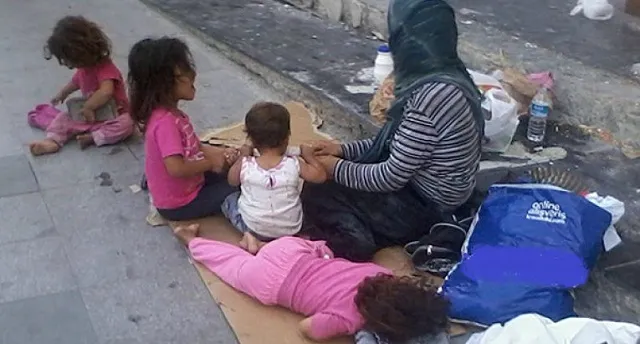
Those who practise begging are usually certain groups, such as the elderly, children, or people carrying infants.
Children often beg on behalf of persons or networks representing organized gangs that deploy and exploit children in begging for profit, whether by agreement with the children’s families, exploiting their living conditions and poverty in return for a daily wage for them, or by relying on children who are missing or have been kidnapped from their families.
The methods of child begging vary between begging by stirring emotions, asking for a morsel of bread and pleading for pity, or by selling tissues, face masks, bottles of water, children’s toys and other simple goods, or by providing token services such as cleaning cars, in addition to the operations of professional beggars.
The manifestations of professional begging lie in creating disabilities, such as amputating a leg, foot or hand, or any other disability; they work in an organized way under the supervision and control of a responsible leader who sets their tasks, roles and geographical area of work, and provides them with protection in the designated areas of influence, in coordination with the begging leaders in neighbouring areas.
Professional begging is one of the most dangerous forms of begging, since it is a gateway for children into a career of crime and violence.
As for the causes of begging, they are many, including: poverty; the need to satisfy personal desires and needs with limited means; high prices; addiction to smoking or drugs; the death of the family breadwinner; family breakdown in cases of divorce, leaving the children without any support; unwillingness to study; unemployment; upbringing in a criminal environment and early delinquency; psychological and nervous crises; the absence of role models among children; and lack of care for people with special abilities..
Begging is one of the complex and intertwined social phenomena in various societies, and it affects both the beggar and society negatively.
It leads to the loss of the human dignity of beggars (boys and girls) and their feeling of inferiority and degradation; the beggar also loses the ability to build a personality or to work and produce in order to live positively, because of the insults to which he is exposed while begging, in addition to how easily they are led into committing crimes, sexual exploitation, thuggery and terrorism.
It also leads to an increase in crime rates in society, reflects a negative image of Egypt and its people before tourists from the countries of the world and before their countries, in addition to the negative effects on production, the economy, stability and the national security of the country.
The worsening of this phenomenon points to: the inadequacy of the penalties provided for in the law, a fine or imprisonment; some sympathy among a segment of citizens with beggars, which contributes to its increase and affects the efforts of the police in confronting the phenomenon; the inability to coordinate and harmonize the efforts of the Ministry of Social Solidarity and the law enforcement bodies to treat the problem; the poor condition of care homes for children and juveniles and the weakness of the means of their psychological rehabilitation; and the decline of the role of civil society organizations, which should bear the greatest burden in combating the phenomenon of begging.
We envisage that the solution lies in treating the negatives mentioned, in addition to the importance of creating a database for every adult or child caught, keeping fingerprints and face prints so as to check the data against the missing and kidnapped.
- Coordinating efforts between the Ministries of Social Solidarity, Youth and Sports and Health and the National Council for Childhood and Motherhood to draw up a scientific plan for training, rehabilitating and treating begging children in youth centres, teaching them crafts suited to their age and abilities, and evaluating the results of the Children Without Shelter initiative and the Child Protection Unit.
- Redefining the role of the media in raising awareness of the danger of child begging to society, and urging civil society to engage effectively in combating this phenomenon.
- Toughening the penalties on those who exploit children.