
Dr. Bahaa Helmy Writes: BREXIT and Its Effects on the European Union
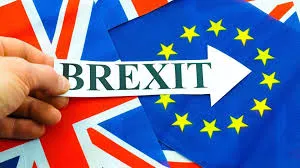
BREXIT and Its Effects on the European Union. The word BREXIT is currently the most widespread in Britain, and it has become an international term, having passed into other languages such as German, French, Spanish and others. The word BREXIT combines two English words, BRITAIN and EXIT, and refers to Britain's exit from the European Union depending on the results of the referendum scheduled for 23 June this month. British opinion is divided into two camps. The first calls for leaving the European Union to restore the parliamentary sovereignty of the United Kingdom, arguing that withdrawal would make the United Kingdom better able to control immigration and put it in a better position in trade negotiations, freeing it from European rules and bureaucracy, and that it is time to take control of the country's capabilities, in the words of the Mayor of London, Boris Johnson. The second camp of Britons raises the slogan that Britain is stronger in the European Union, arguing that any theoretical loss of the said sovereignty is offset by the benefits of membership in the European Union, and that leaving the Union would endanger the United Kingdom's economic prosperity, undermine its international influence and harm national security by reducing access to European criminal databases. The question arises as to the effects of BREXIT on Britain and the European Union, and the regional and international dimensions of this separation should it happen. Economically, Britain's exit from the European Union could be a disaster for it, as all projects carried out with the participation of the European Union would have to be halted or cancelled; it would also lead to job losses, higher unemployment and delays in investment flowing into Britain in light of the increased risks for large and small companies. Regionally and internationally, Brexit would cause Britain major economic costs and would block its influence on future reforms within the European Union, including the creation of a single market for services. The exit of Britain, the second-largest economy in the European Union, would create great uncertainty across the Union, which would lead to new policies in the Union's economic dealings with Britain, in addition to increased competition among companies in the European Union countries aimed at reining in their British competitors. Politically, which cannot be separated from the economic track, there would be effects on Britain should it separate from the European Union, at the European level and on the global balance of power as well. We believe that Britain's exit would affect the London property market, which would strengthen the policy orientation towards the Gulf states, whose citizens are keen to own property there; the banking sector in Britain would also be affected and the currency would fall against the euro and the dollar, which could lead to greater competition for markets in the Gulf states and North Africa and to improved relations with those countries. At the European level, Britain's exit would spread the contagion of secession referendums, meaning it would encourage other countries such as the Netherlands, Spain, Greece and others to leave the European Union, especially given the ongoing migration problem; the Scots are also threatening to hold a referendum on independence from the United Kingdom, and the separation would cost the European Union a major nuclear power with a permanent seat on the Security Council. The negative impact on the European Union may prove positive for Russia and negative for the United States, which prompted Obama to travel to Britain last April to support Cameron against separation and to influence British public opinion in favor of a united and strong Europe. We believe that holding this referendum, whatever its result, will awaken the spirit and appetite for secession in many American states, such as Texas and Montana, etc., to break away from the mother country and establish separate governments and an independent entity in each of them, and then every situation will call for its own response.