
Dr. Bahaa Helmy Writes: Developing the Services of the Real Estate Registration Authority, Between Reality and Hope
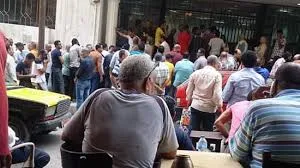
Since the last century we have been hearing about projects to develop and automate the real estate registry offices, which are a real-life model of bureaucracy and of poor service and treatment, and which constitute the journey of torment that Egyptians or foreigners may undergo, compelled and acquiescing to the coercive procedures or instructions imposed on them, in the words of one citizen. The automation of the work and services of the Real Estate Registration and Notarization Authority, which is being applied in some offices in a long-overdue step, is a first step in the plan and the course of the hoped-for development, since it helps people obtain a legible power of attorney instead of handwriting whose words or letters were impossible to read without the help of a specialized expert; and automation is expected to be extended to the remaining offices according to the plans of the authorities concerned with this matter. The automation of the real estate registry's services may not lead to any real development in the performance of the services of this important authority, which is entrusted with registering and notarizing contracts and rights according to the standards of development and modernization, as long as the development does not cover all the basic elements of the work — such as the premises and locations of these offices and moving them out of residential apartments; reconsidering the furniture, equipment and work tools that help employees carry out their duties; and choosing locations and spaces that accommodate citizens decently, with waiting areas and toilets at each site, in keeping with the thinking behind the creation of the New Administrative Capital, which relies on modern techniques and the technology of the future and is a model that should be followed in any future development of any public utility providing services to citizens and the state alike. Development is not complete without raising the performance of the human element through training, education, requalification and capacity-building, to ensure that the antiquated bureaucratic mindset is moved out of the confines and mantle of traditional patterns of work, which rely on passivity, putting up obstacles and obstructing work, towards broader horizons based on positivity and on smashing the idols of bureaucracy with new ideas and issuing decisions that reflect the thinking of development and modernity. The view that it is enough to update the legislation governing the work may not suit the development of the services and offices of the Real Estate Registration Authority. Real development comes through surprise and periodic field inspections of the real estate registry offices in the various governorates, districts and neighborhoods to examine the workings of the office, the document cycle, problems of application and the prevailing mindset among employees in carrying out instructions, in order to identify and define the problems on the ground, measure rates of completion and the time taken, and evaluate the results of automation, so as to draw up well-studied scientific development plans suited to the requirements of modernization aimed at speedy completion and at closing any loopholes against any attempts to obstruct work, abuse office, or any attempt at forgery or corruption. Raising the level of performance of the human element and assigning them a special uniform, like banks or investment employees, is one of the main elements for upgrading this important utility, in addition to the importance of identifying the needs and requirements of development in terms of frameworks and mechanisms to unify concepts among employees throughout the authority, and identifying the material, procedural and legislative components required to align with the axes and dimensions of comprehensive development — and this before proposing legislative amendments, so that those amendments come to complement and complete the steps of the desired development and achievement. The system of assessing the fees, then standing in line to pay and obtain a receipt and a carbon copy of it, then searching for places to photocopy documents or forms, takes time, cost and hardship that are entirely unjustified. It is a difficult journey whose effects you can observe by looking at the faces and features of every citizen and foreigner who undergoes it. There is nothing to prevent assessing and collecting fees, photocopying and completing all procedures through a single window and in a single step, by providing employees with devices that work with electronic payment systems, tax collection and so on, and printing the forms with the legally due stamp duty written on them. The services of the Real Estate Registration and Notarization Authority are important not only for natural and legal persons, Egyptians and foreigners alike, but they also represent an important vehicle for collecting, for the benefit of the state, the taxes and fees levied on contracts and legal transactions from all those who deal with it. It has become a hope that every Egyptian and foreigner should enjoy his right to a decent place to receive him, with the possibility of paying a price for this premium service, and that he should be dealt with according to a new policy consistent with the rules and requirements of public satisfaction.