
Dr. Bahaa Helmy Writes: Elder Abuse
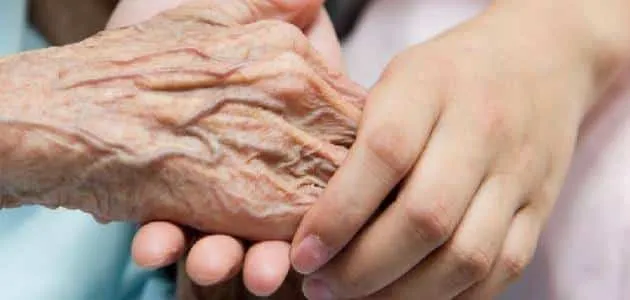
On the fifteenth of June each year, the United Nations observes World Elder Abuse Awareness Day, which was adopted by General Assembly resolution 66/127. This day is the annual opportunity on which the world raises its voice against the abuse of some of our older generations and the suffering inflicted on them. The world organization expected the world’s population aged 60 years and over to more than double, from 900 million in 2015 to about 2 billion people in 2050, which increases the likelihood of the abuse of older men and women. Especially in developing regions, where there is little interest in social surveys to identify indicators of the violence and abuse to which they are subjected. The abuse of older men and women is a global social issue that affects the health of millions of them and violates their human rights in all parts of the world; it is therefore an issue that deserves the attention of the international and national community in accordance with the goals of the United Nations in this framework. Statistics indicate that one in every six older persons suffers some form of abuse, a figure higher than previous estimates, and it is expected to rise as populations age in the various countries of the world. Rates and degrees of abuse may be higher for older persons living in institutions and care homes, leading to serious physical injuries and long-term psychological consequences, and that is under normal circumstances, before the coronavirus (COVID-19). However, the current conditions the world is witnessing and the negative effects of the coronavirus pandemic at all levels, whether living, social and humanitarian, or at the economic, security and psychological level among the world’s population, have aggravated the problem of elder abuse and the violation of their rights in many countries of the world. Unfortunately, the coronavirus pandemic did not only cause lockdowns and social distancing, the halting of work and production, the deterioration of the economy, the disruption of development programmes and the devotion of all efforts to the search for a treatment and a vaccine to confront the virus. It also created a state of tension, anxiety, fear and panic over the risks of infection and of death from this virus, which entrenched negative and selfish feelings, and some came to struggle with themselves for survival. The psychological and health condition of many older men and women, sick and healthy alike, deteriorated. We have seen a son refuse to receive his mother’s body to bury her, and three other sons refuse to visit their father, who was infected with corona, or to meet the officials of the home where he was staying, while undertaking to pay the burial expenses; there is someone who put his elderly father in a room in the garage beneath the building he owns so that the doorman could look after him; and in another incident some children quarrelled over not hosting or caring for an elderly mother who showed symptoms of infection, for fear of infection or contagion. These are examples of denial, ingratitude and behaviour contrary to the religious, moral and human values urged by all religions. They are also a departure from the social values, some of which were embodied in the series “The Choice”, such as the martyr El-Mansi’s care for his parents and his commitment to morals and values. Older men and women are the grandfather and grandmother, the father and mother, the paternal uncle and maternal aunt, and the son and daughter among today’s youth and tomorrow’s elderly. The elderly are those who gave in full, and spent everything they had of health, money and effort to raise an open-minded generation with morals and knowledge, to keep pace with globalization and become part of it; and it seems that science and technology have trampled on morals and principles among some. Kindness to parents, obeying them, honouring them and caring for them is a religious and moral duty; many Quranic verses require caring for parents, especially in old age, and the Ten Commandments include “Honour your father and your mother”. It is a call to religious scholars and clerics, to sociologists and scholars of social studies, to writers, intellectuals, wise men, elders and artists, and to sons, young people and teenagers, not to abuse the elderly, in keeping with religious, moral and human values. A salute of appreciation and gratitude to everyone who helps and contributes in any way to caring for older men and women; they deserve all our appreciation, and especially psychological and moral support.