Dr. Bahaa Helmy Writes: From the Logbook of 28 January 2011
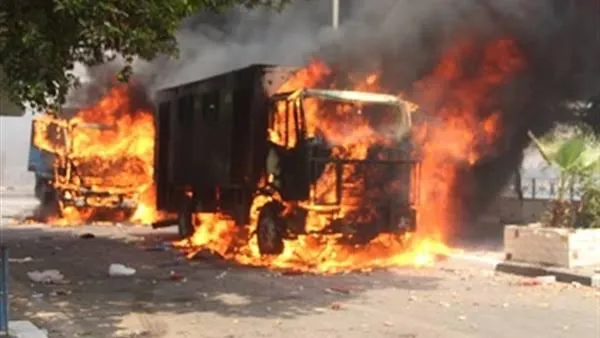
28 January 2011, known as the Friday of Rage, was a revealing and decisive day in the history of Egypt. A day revealing the scale of the violence, killing, burning and destruction, the theft of weapons from police stations and vehicles that were set on fire at various locations, and the looting of many malls and shops and the theft of their contents. And a day surprising in the precision with which the plan to storm the prisons and free members of the Muslim Brotherhood, extremists and convicts was carried out, with the participation and support of Hamas, the Qatari Hamadain organization and others. The goals of the terrorist group were achieved after the events of this day, in imposing a state of fear among citizens and chaos in the Egyptian street and the emergence of the popular committees, which prepared the ground and cleared the way for the terrorist organization to seize power. And it became a decisive day fixed in the memory of Egyptians after they lived under Brotherhood rule and saw the horizons of collapse and failure, the opening of the borders, the squandering of Egyptians' rights and the spreading of a spirit of division, discrimination and exclusion — which was a shock to the young people who took part in 25 January to demand an end to hereditary succession and for change, with an enthusiastic patriotic spirit and good intentions, and a shock to the masses of the people who rose up for their dignity and their homeland in the June 2013 revolution, raising the slogan “The people, the army and the police are one hand”. Some ask what the signs of this conspiracy are. The answer is clear and evident in the reports, documents and police operations logbooks seized as part of the documents in the trials of the security leaders over the events of this day, and in the rulings of justice in the trials that took place. The fact-finding report published in the Egyptian and foreign press in April 2011 reviewed the development of events in chronological order during the period from 25 January to February 2011, stating that on the Friday of Rage demonstrators gathered, insisting on changing the regime, and were met with unprecedented violence by the police, so that hundreds of martyrs fell and thousands were injured; and the police withdrew in the afternoon of that day in the face of popular insistence, which led to burning, looting and destruction of property, and the security breakdown appeared more clearly and on a wide scale. “The report is available online.” The fact-finding committee set out the unlawful practices of the police in the killing of the injured, the withdrawal of the police and the security breakdown and the resulting storming, burning and looting of some prisons, police stations, prosecution offices, courts and others and the theft of antiquities, and submitted the report to the Prosecutor General at the time. On the other hand, it emerged that the operations logbooks and operations orders among the documents in the trials of the security leaders in the various governorates contain a record, item by item and hour by hour, of all the notifications received by the police operations rooms starting from 11 a.m. on 28 January 2011 of gatherings in front of various (specified) mosques, with members of the group leading the movements with the participation of the Kefaya and 6 April movements; other notifications from prison guard units requesting reinforcements because some prisons were being stormed with heavy equipment and by elements some of whom spoke with a non-Egyptian accent; and the martyrdom of a number of police commanders and guards. This was accompanied by notifications from police units in the streets, stations, traffic and elsewhere of assaults on police personnel with gunfire and the setting on fire of facilities and vehicles, within the governorates of Cairo, Giza, Suez, Ismailia, Sharqia, Aswan, Dakahlia, Gharbia, Beni Suef, Port Said, Qena, Damietta and Qalyubia, while no violence was recorded in the other fourteen governorates according to the record. It follows from the above that the aforementioned fact-finding report defined the crimes of the police as two contradictory acts: police violence against demonstrators, which caused the killing of hundreds and the injury of thousands; and, second, the withdrawal of the police, which led to a security breakdown that led to the storming and looting of prisons, police stations, prosecution offices and others. In other words, the report concluded that the police must pay the bill for all the crimes of the terrorist organization, out of revenge and by any means. Here the question arises: how could the police kill demonstrators in defense of its facilities at the same time as it is accused of abandoning those sites, causing what happened to them? And is it conceivable that the fact-finding report ignores the facts and events that took place on the ground and that are recorded in the police operations logbooks of that day? The answer came from justice, which did not merely rule for acquittal in the trials of the security leaders, but the court said in the “prison break” case: that the Brotherhood is the source of every calamity... and the hand of death reached “Morsi” before us, and his punishment is with his Lord, and that the group chose to stand with the enemies in the trench of conspiracy against the homeland and its citizens. This ruling documents the conspiracy according to the reality recorded in the logbooks. So salute to the Egyptian police on its day.