
Dr. Bahaa Helmy Writes: No to Violence in the Egyptian Street
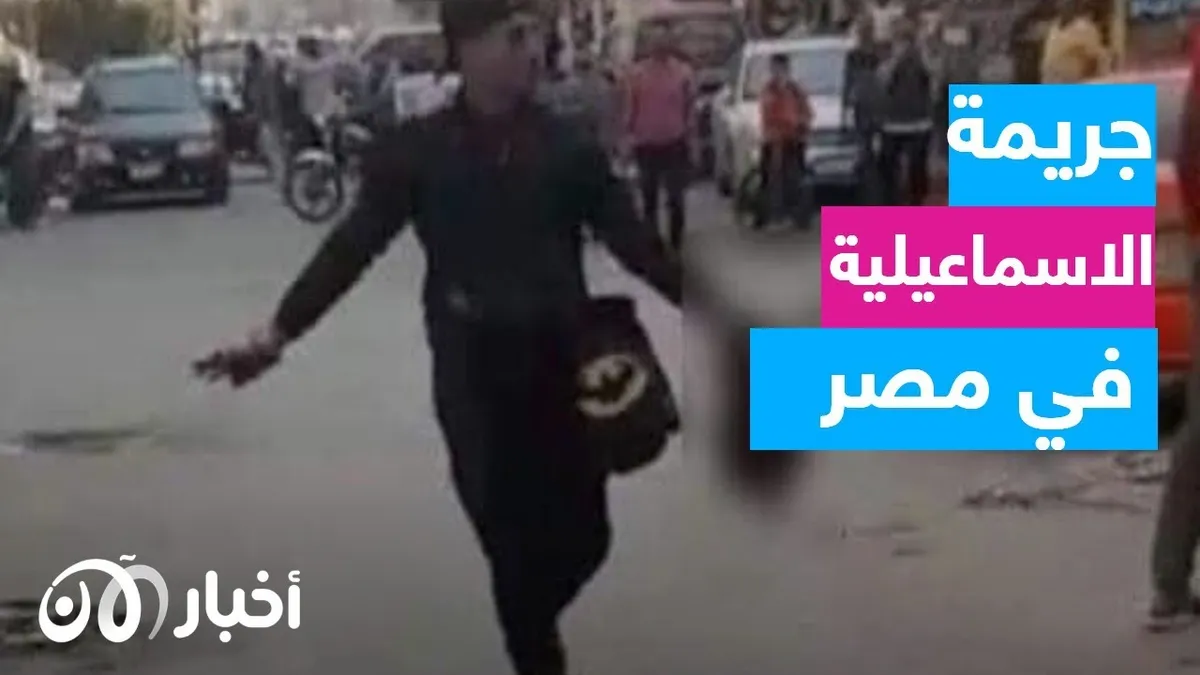
The phenomenon of violence in the Egyptian street is growing in a striking and frightening way, as it negatively affects the state of security and tranquillity felt by citizens and residents of the country.
Millions of people around the world have circulated video clips and pictures documenting the incidents of killing and violence witnessed in the Egyptian street recently, through social media, electronic media and satellite channels.
The scene of the Ismailia butcher walking around carrying another person’s head after severing it with a knife, the incident of the rescue of a girl from the hands of her brother after he kidnapped her in a car to seize her inheritance, the man who killed his brother and his uncle for the same reason, the incident of pouring highly flammable petroleum products on another person and setting his body on fire because of disputes between them, the man who killed his father because of drugs, the repeated killings of husbands and wives in the various governorates, and other crimes that embody the weakness of the spirit of tolerance and the growth of the spirit of revenge and violence, whether within the family or at the level of society.
The burden or blame for these incidents cannot be placed on security, for violence may be present in the soul of every human being, but awareness, reason and faith in sublime religious values and principles tame the soul and prevent the practice of evil and killing.
The concept of violence, its types and methods may be known to all, as may the stages of its development in Egyptian society. And it is known that incidents of killing and violence are linked to the thought, mentality and behaviour of terrorist groups, whether at the hands of the Brotherhood organization or the Islamic groups that emerged from it, or at the hands of the takfiris.
Nor do we forget the events of January 2011 and the acts of violence and thuggery they tried to promote to frighten and terrorize people under the name of creative chaos, before the liberation of Egypt on 30 June 2013 and the people’s recovery of their institutions, land and homeland; they had an effect on the behaviour and conduct of many.
In addition to that.. the great role played by communications, information and social media technology companies such as Facebook, Twitter and other sites in publishing and broadcasting the videos and films of the Islamic State showing the forms and shapes of violence and torture they practised according to the thought settled in their minds and consciences, and their innovation in methods of mass execution such as burning, drowning and beheading, without our hearing any objection or any action by the United Nations or the Security Council against those giant companies, at a time when the international organization and the states that control it call for human rights and for ending violence against women, designating 25 November of each year as an international day for this purpose, besides the many slogans with which international charters and human rights instruments are crowded.
We know that confronting the phenomenon of violence in the Egyptian street is a shared responsibility of the family, the school, the mosque, the church, the youth centre, the club, mental health, criminal, security and social studies and research centres, anti-drug efforts, education, university professors, religious scholars and clerics, thinkers, intellectuals, art, the economy, development and the various civil society organizations.
However, we believe that applying the rule of law with all firmness and decisiveness within the framework of swift justice, while beginning to apply the rules of discipline in the street, is a necessary and inevitable measure to limit violence, in parallel with drawing up an urgent national plan to treat this dangerous phenomenon, while paying attention to culture and the media, developing national awareness and preserving national security.