
Dr. Bahaa Helmy Writes: Peace and Non-Violence, the Greatest Force at the Disposal of Mankind
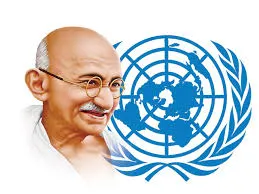
Every year on 2 October, the world celebrates the International Day of Non-Violence, in accordance with the resolution of the United Nations General Assembly of June 2007, in order to disseminate the message of non-violence through education and public awareness and out of the desire to secure a culture of peace, tolerance and understanding among people, communities and countries. The date commemorates the birth of Mahatma Gandhi, leader of India's independence movement and pioneer of the philosophy and strategy of peace and non-violence in which he believed and which he championed. Among his most famous sayings is that non-violence is the greatest force at the disposal of mankind, mightier than the mightiest weapon of destruction devised by the ingenuity of man. The thought and philosophy of peace that Gandhi adopted in his peaceful struggle against British occupation entails rejecting the use of violence in all circumstances, to avoid conflict and bloodshed, and following the path of peaceful settlement of all disputes and conflicts. Gandhi's life and method of struggle became a source of inspiration for non-violence movements around the world and for respect for human rights, just as Nelson Mandela was also a model of tolerance, human values and the rejection of violence. The UN celebration of this day coincides with another: the United Nations' Disarmament Week, which coincides with the anniversary of the founding of the United Nations, when states are invited to highlight the danger of the arms race and its spread and to work to raise awareness of the importance of disarmament. What is strange is that those who use violence and terrorism, those who weave and plot to stir up disputes and conflicts between states or between the sects and groups of a single people, and those who fund the parties with weapons and money to achieve political goals or financial profits, or with the aim of division and control to confront international or regional powers, or to seize resources and deny progress, technology and prosperity to others, call for peace and work for its opposite – and how many they are – against the few who work to spread the message of peace and tolerance among human beings. There is a difference between those who call for these lofty values and those who work to achieve them. The scale of terrorism and violence, of entrenched conflicts and wars between states, or of attempts to destroy states from within, far exceeds the scale of conflicts resolved through peace and tolerance, because evil thinking is good at nothing but spreading violence, killing and devastation and assassinating hopes and dreams. The bearers of messages calling for tolerance often receive stabs of treachery and ignorance, in the belief that ending their lives will kill the messages of love and peace, not knowing that these are lofty religious principles and values that God planted for the sake of humanity. Despite Gandhi's calls and work to reject violence, he fell victim to violence when a Hindu extremist attacked and shot him because of his calls on the Hindu majority to respect the rights of the Muslim minority, which some fanatical Hindu groups considered high treason, and so they decided to get rid of him. Violence still covers vast areas of the world, especially our Arab and African countries, which have paid a heavy price because of violence, occupation, the plundering of their wealth and the silencing of their peoples. The Middle East has not only become the most tense and turbulent region in the world, but has become a home of tension and conflict for years for many reasons, including geographic and economic ones, the abundance of natural resources and oil, and the protection of Israel's security and future. The voice calling for peace in the face of war, terrorism and tension in the Middle East is barely heard, given the intensity of the conflicts, the roar of fighter jets, the clamor of loyalties, the killing of innocents and the displacement of populations. The countries of the region have witnessed more than 90 wars, disputes, conflicts and revolutions since the World War until now, which have harmed human wealth and natural resources, deprived peoples of the right to life, development and to live in peace and security, and displaced women and children. The question is: when will the Syrian problem end and its people return to rebuild it? When will darkness lift from extremist thought, and peace and tolerance enlighten their minds?