
Dr. Bahaa Helmy Writes: Protecting Antiquities Is National Security
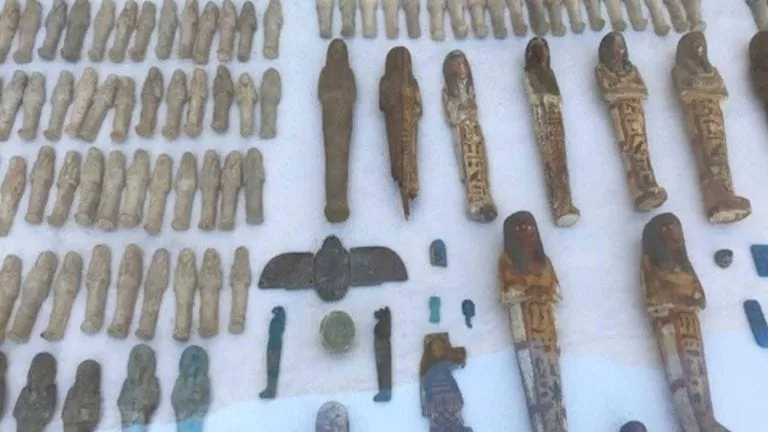
The Constitution establishes the state’s commitment to preserving the cultural identity with its diverse civilizational tributaries, and to protecting Egypt’s civilizational, cultural, material and moral heritage in all its diversity and its Ancient Egyptian, Coptic and Islamic stages, as a national and human treasure.
The state is committed to preserving and maintaining it, as well as the contemporary architectural, literary and artistic cultural stock in its various forms, and any attack on any of these is a crime punishable by law.
The state is committed to preserving the national identity, combating corruption and preserving public funds.
The Constitution also obliges the state to protect and preserve antiquities, to care for, maintain and restore their sites, and to recover what has been seized of them, and to regulate and supervise excavation for them; giving or exchanging any of them is prohibited, and attacking them or trading in them is a crime not subject to a statute of limitations.
The state is committed to an economic system based on the standards of transparency and governance, and it must protect productive, service and information economic activities as basic components of the national economy, and combat money laundering.
The Constitution establishes that preserving national security is a duty, that everyone’s commitment to observing it is a national responsibility guaranteed by law, and that defending the homeland and protecting its land is an honour and a sacred duty.
The Antiquities Protection Law establishes that all immovable and movable antiquities are public property, and the law prohibits trading in antiquities. In addition, the legislator added crimes against antiquities to the crimes of money laundering.
The law punishes every criminal act, such as smuggling antiquities, demolishing or destroying them, digging with the intention of obtaining them, possessing, holding or selling them, or stealing an antiquity or part of an antiquity owned by the state, with life imprisonment and a fine of one million to ten million pounds.
Anyone who, even abroad, forms, manages, takes part in managing or organizing, or joins a gang whose purposes include smuggling or stealing antiquities is punished, and these crimes are not subject to a statute of limitations.
The legislator gave the Public Prosecutor the right to seize funds suspected (of money laundering) and to prohibit their disposal, and gave the court the right, upon conviction, to confiscate all these funds.
Antiquities crimes are therefore a crime against national security that affects the national wealth and the civilizational and cultural heritage of the people and the nation, in addition to being a money-laundering crime that reflects negatively on the country’s national economy. They are also a crime affecting honour and dignity.
Hence we appeal to the Egyptian legislator to reconsider and toughen the penalties on anyone who touches our antiquities and the history, civilization and culture of the nation, and on every thief of public funds or anyone who seizes any right of the state and citizens.
And to make confiscation mandatory when ruling in such cases relating to the antiquities and history of Egypt, and to create a list called the dangerous list in which every thief of antiquities or of any historical documents belonging to the nation is entered, as a crime rising to the level of crimes of high treason against the country.
www.bahaahelmy.com