Dr. Bahaa Helmy Writes: Regulating the Informal Parking Attendant (Sayes) Trade, a Problem in Search of a Solution
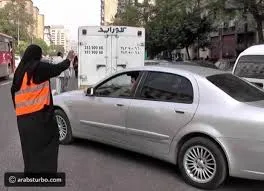
The problem of regulating the trade of the sayes (informal parking attendant) lies in the absence of any legal framework setting the rules for licensing it, the conditions a sayes must meet, his duties and responsibilities and the legal and ethical framework within which he must work, and the monitoring of his compliance to ensure he does not break the rules and instructions designed to keep order and achieve more security and discipline in the Egyptian street – even though the Public Roads Occupancy Law gave the competent authority, namely the local administrations in the governorates, the right to issue licenses to occupy public roads. This has created a fertile environment and a refuge for anyone looking for work, without rules or oversight of the sayes's behavior and practices in the street and the sums and protection money he imposes on car owners. A sayes may be a habitual criminal, a fugitive from a sentence or a drug user. The actions of many of those who impose themselves on car owners as a sayes involve harassment and conduct that amounts to thuggery, in a manner that relies on a loud voice and shouting to suggest control over the spot and to ensure payment for allowing the car to be parked, and some have started demanding that car owners pay by the hour. This often creates anxiety and resentment among drivers, especially women drivers, who feel fear and insecurity about their cars and their contents. We note that the sayes phenomenon is worsening as their numbers grow without licenses, and that a spirit of bullying is growing among some of them after members of their families joined the work, together with their conviction that they have the right to impose sums on car owners, since some of them pay a monthly rent for the street or the place under their control under the system in force in some districts. The absence of databases or information at the local administrations in the governorates on those licensed and those actually working as sayes within their geographic jurisdiction, and the absence of an administrative system at the competent authority to ensure oversight of their work, place an additional burden on security: both in the increased volume of citizens' calls for help and complaints against the practices of sayes in the street, and in the attention needed to gather information and data on those working in the trade and the risks that may arise from failing to report suspicious cars or suspects at parking spots, in light of the State's efforts to combat terrorism. Traffic departments are therefore trying to count licensed and unlicensed parking lots in order to regularize their status, and some specialized companies have taken the initiative to set up new parking lots permitted for use within the capital, managed with a unified form, system and tariff, allowing more cars to be accommodated in the street, in addition to using parking spaces in a civilized and secure way, away from the randomness and chaos caused by sayes in the street. Traffic investigations in some areas are also trying to adopt the idea of banning the sayes trade within their jurisdiction except by special permit, after obtaining personal data and information and verifying good conduct and the absence of previous convictions involving dishonesty or dishonor, and making the sayes responsible for securing cars during parking and reporting any crimes or violations – in an attempt to fill the legal vacuum in regulating the sayes trade, which used to be called car guard and was issued a license by the local administration in the governorate. There is therefore a need to re-establish the legal regulation of the sayes trade and to define duties and rights legislatively and culturally so as to unify concepts, and to task the administrative authority competent to regulate road occupancy with licensing the management of these spots according to clear and unified standards and rules, so as to achieve discipline, prevent crime and enforce the rule of law on everyone.