
Dr. Bahaa Helmy Writes: Regulating the Use of Drones Is an Absolute Necessity
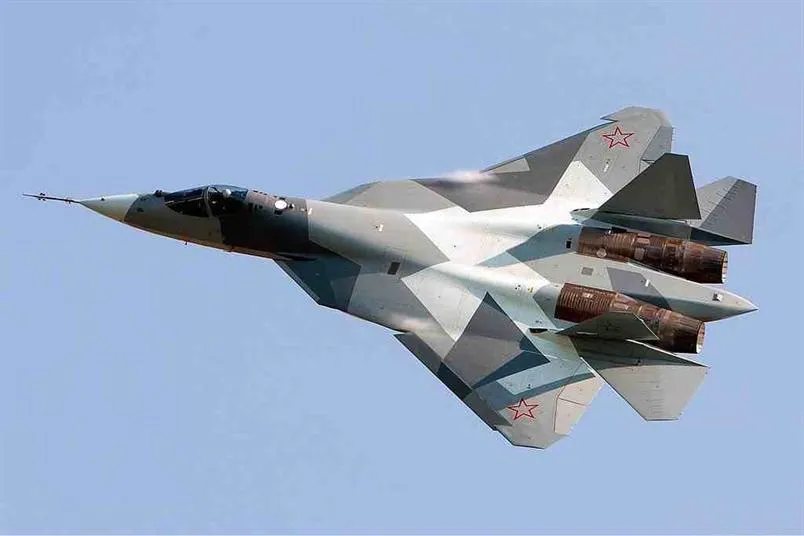
The technology of drones and autonomous robots has developed at astonishing speed, and their use has increased, whether in counterterrorism, where they are fitted with lethal weapons, or in other fields such as «filming», radar, information and communications technologies, aviation research and testing, and in security fields such as «border surveillance, security patrols, police operations, the pursuit of outlaws and traffic monitoring». They are also used in the media and in broadcasting matches, and in filming to get a scoop, as Sky News Arabia puts it. These aircraft were previously used in humanitarian work and filming during Typhoon Haiyan in the Philippines in 2013, which helped rescue operations. They are distinguished by their small size, ease of control and operation, and multiple uses, ranging from children's toys to killing, which has sparked great international controversy over the legal, ethical and moral issues arising from the use of drones and over the international legal framework for dealing with the issues arising from their lethal use. In 2013 the UN Human Rights Council entrusted Philip Alston, the Special Rapporteur on extrajudicial executions, with studying the matter; he concluded that the use of these aircraft was still at a very early stage. Christof Heyns, who succeeded him, continued the study and concluded that the requirements of international humanitarian law and the standards for the protection of life must be respected, and found that deploying these aircraft is unacceptable in the absence of an appropriate legal system of accountability. Some have tried to abort the idea of regulating the use of these aircraft by claiming that a drone cannot be held accountable for taking a dangerous action; our response to this view is that responsibility lies with the operator and controller of the aircraft, not with the vehicle itself. Since the United Nations called on all states at the end of 2003 to ensure the use of all measures and means to combat terrorism, including remotely piloted aircraft, the production and use of these aircraft has expanded without an international legal framework to govern it. At the national level, the legislator has not permitted the import, acquisition or use of these aircraft, nor has it criminalized their possession by individuals, unless they contain tools or devices prohibited by law. We believe that the failure to regulate the use of these aircraft carries security risks, such as their possible use to monitor strategic sites and vital targets and their various activities and then to target them, or their use in terrorist operations by fitting them with explosives; they are also dangerous if flown at or near airports, or used for espionage or to penetrate sensitive sites. Legislation must therefore be issued to regulate the licensing of unmanned aircraft and aerial vehicles, specifying the types for civilian use and the range and area in which they will operate, and the penalties for violating the law, along the lines of the regulation adopted in the United Arab Emirates. We stress the importance of taking the necessary precautionary measures to thwart any attempt to use unmanned aircraft or aerial vehicles in a way that threatens security in border areas or anywhere in the country, drawing on two previous experiences: the first, the flight of five drones in February 2015 over various sites in Paris described as sensitive, without the operator being identified; the second, the crash of a small drone known as a «quadcopter» on the White House grounds in May 2015, and the charging of a person with violating the law.