
Dr. Bahaa Helmy Writes: Safety in Means of Transport
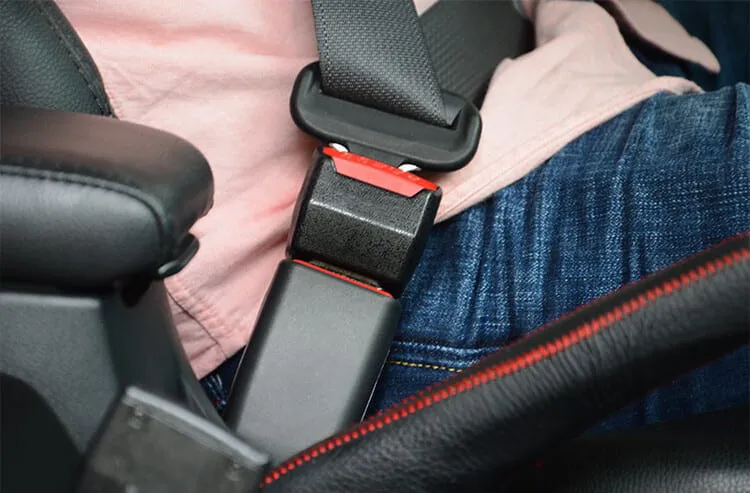
The results of transport accidents are often horrific in terms of human and material losses, or in terms of their direct and indirect psychological and economic effects, whether on citizens or on investment and tourism, and the reflection of this on the national security of the country.
Transport accidents include “aircraft, ships and steamers, trains, vehicles, river and recreational means of transport such as cable cars and balloons.. and others”, and they include all accidents of vehicles and motorcycles on the roads or those that cause injury or death to pedestrians.
The relevant bodies always rush to the scene of the accident to transport and treat the injured, recover the bodies of the victims, deal with the crisis and form specialized technical and legal committees to examine and determine the causes of the accident and study remedies and solutions so that such accidents are not repeated.
Everyone, foremost the families of the victims, is interested in knowing the results of the investigations and the causes of the accidents, and whether there was human error, so that it can be subjected to legal accountability.
Human error is the most common cause of transport accidents, whether on the part of the pilot or driver, the person in charge of maintenance, or the person responsible for follow-up and inspection to ensure the fitness and efficiency of the means of transport itself, or in terms of the condition of the roads and railway tracks and the review of the safety means related to level-crossing barriers and switches and the competence of those working on them. Or because of incompetence, negligence or the human element’s disregard for safety rules while crossing roads or railway lines.
In the recent train accidents other causes have appeared, such as acts of sabotage and the use of children to unscrew the bolts of some lines – all logical causes – in addition to the lack of interest of previous regimes over decades in this vital utility, without maintenance or care, until it came to be on the brink of a pit.
It is clear from the above that all the causes fall within safety procedures, “Safety First”. This slogan is the essence applied in the various fields of work in all developed countries, including means of transport and the elements operating them, and it is also adopted at the Railway Training Institute.
But the difference is that the “concept of safety first” is a culture, a law and an approach followed to train and qualify members of society before they complete their study of driving any train or private vehicle, until it has become an approach and a way of life for all citizens, and a deterrent legal penalty is imposed on the violator, since a breach of safety in those societies is considered a major crime.
The first thing that the pilot, his co-pilot and his crew, the train driver and his work team, the driver of the private car and others working in those fields must understand is the concept and value of the principle of “Safety First” and how to comply with it and ensure its application in all circumstances and conditions.
The driver of a car must check the tyres, the gauges and signals, the windscreen wipers, the brakes and the road reflectors in case of breakdown; no train can move and no aircraft can take off until the soundness and efficiency of the safety parameters of all the equipment and emergency means and the condition of the roads and lines have been checked, and after take-off the passengers are given an explanation of the procedures to be followed throughout the trip and in emergencies.
Knowledge of the concept of “Safety First” limits personal error and protects citizens, whether they are passengers, passers-by or those responsible for operation.
The burden falls on the bodies responsible for preserving safety and tranquillity, in coordination with the bodies responsible for transport and roads and with the media, to give space and attention to developing awareness, alongside educating children in schools, places of worship, youth centres and family gatherings, and stressing the dangers of some citizens crossing under trains or trying to take photos on the tracks in imitation of dangerous online trends.
Reassembling and reformulating the safety and security rules of all state institutions, utilities and stadiums in a single crucible, with heavier penalties for violations, may be a helpful factor in achieving safety first, as in the developed countries.