
Dr. Bahaa Helmy Writes: Sporting Ethics at the African Championship
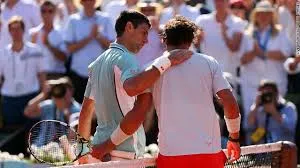
State institutions are making great efforts to prepare for organizing and securing the Africa Cup of Nations, which Egypt is hosting this month, whether through the use of modern security technology at the tournament's stadiums or through the application of a secure ticketing system, so as to stage the tournament in an atmosphere of safety, security, goodwill and welcome for guests befitting Egypt's history, civilization and African belonging, following the example of the wonderful ceremony held in the Pyramids area for the tournament draw, which won the praise of the world. The coordination and harmony of performance between the security agencies and the relevant state bodies in accomplishing this task comes in implementation of the directives of the political leadership and in compliance with the rules of FIFA and CAF on providing safety and security requirements at sports stadiums, which require the preparation of plans for emergencies, evacuation, fire and ambulance services, and the securing of all elements of the game and of all citizens and residents of the country, in addition to the responsibility of the game's federation, in coordination with the state, for assessing the risks and tensions between the teams' fans and any historical enmity between their supporters, banning the entry of fans with a history of rioting, preventing the use of fireworks or any signs or banners bearing racist or hostile language, and ensuring the public's commitment to sporting conduct. That is with regard to compliance with FIFA's rules on safety and security at stadiums; as for the responsibilities entrusted to the Egyptian Olympic Committee, the Football Association, the clubs and the media regarding the public's adherence to sporting ethics, this is first and foremost a national, legal and moral responsibility. The Sports Law obliges federations and clubs to establish a sporting code of honor and to raise collective awareness of the ethics of sporting activities, and the Egyptian Olympic Committee, under its statutes, is responsible for developing and encouraging sporting ethics, participating in spreading the Olympic spirit and culture, and spreading the ideas and principles of fair play, while taking all means to combat forms of discrimination or violence in the field of sport. Here the question arises whether there has been any coordination between the Olympic Committee and the Football Association on drawing up joint media and cultural plans and programs — to save expenses and unify concepts — to spread the culture of sportsmanship and raise public awareness of sporting ethics and the values of society as a legal obligation, or not; and what sports media has offered us in confronting the phenomenon of insults and verbal violence by some administrators and club officials on social media, in a scene that is cause for regret and sorrow at the state of sporting values and morals. Egypt's organization of the tournament and its staging in safety and security and in an outstanding manner is a national goal, which obliges everyone to cooperate in spreading the culture of sportsmanship, rejecting sporting fanaticism and raising public awareness of the ethics of sporting activities before the Africa Cup of Nations, and in making known the prohibitions, restrictions and legal penalties in the event of attempting to enter the stadium without right, possessing or consuming an intoxicant or a drug, possessing fireworks or any instrument used to harm others or damage facilities or property, or inciting the public to violence and rioting, along the lines of the intensive campaign adopted by the body responsible for tickets to prevent their forgery or illegal circulation. Responsibility for monitoring the sports bodies' fulfillment of their legal obligations, including raising public awareness and spreading the spirit of tolerance, lies with the Ministry of Youth and Sports. And there is nothing to prevent drawing on the efforts of the military and police colleges and academies to help quickly draw up and implement media, cultural and religious plans and programs to raise public awareness of sporting ethics and of noble morals as the hallmark of refined societies. The importance also emerges of training those taking part in security operations on practical scenarios for managing sports crowds and confronting riots inside and outside the stadiums, forming crisis-management teams before, during and after the matches and the tournament, and the need to coordinate with the responsible security and sports authorities in the countries taking part in the tournament to obtain the names of fanatical fans in order to take precautionary measures against them on the basis of FIFA rules, since the domestic Sports Law does not include such measures. The state has the right to take all legal and security measures to confront any attempts to break the law inside or outside the stadiums, and to monitor and confront any incitement or attempts to undermine sporting ethics by any means, whether written, audio or electronic, following the practice adopted at the European Championship. Egyptians are ready to welcome the sons of our dark-skinned African continent and Egypt's guests; everyone is endowed with belonging and national feeling, and everyone is aware of the security risks, the enemies of the nation and the promoters of rumors. In the end, cooperation with security instructions, and security's conduct according to a professional and ethical approach, lead to the integration of the security and safety system and contribute to achieving the hoped-for success on all levels.