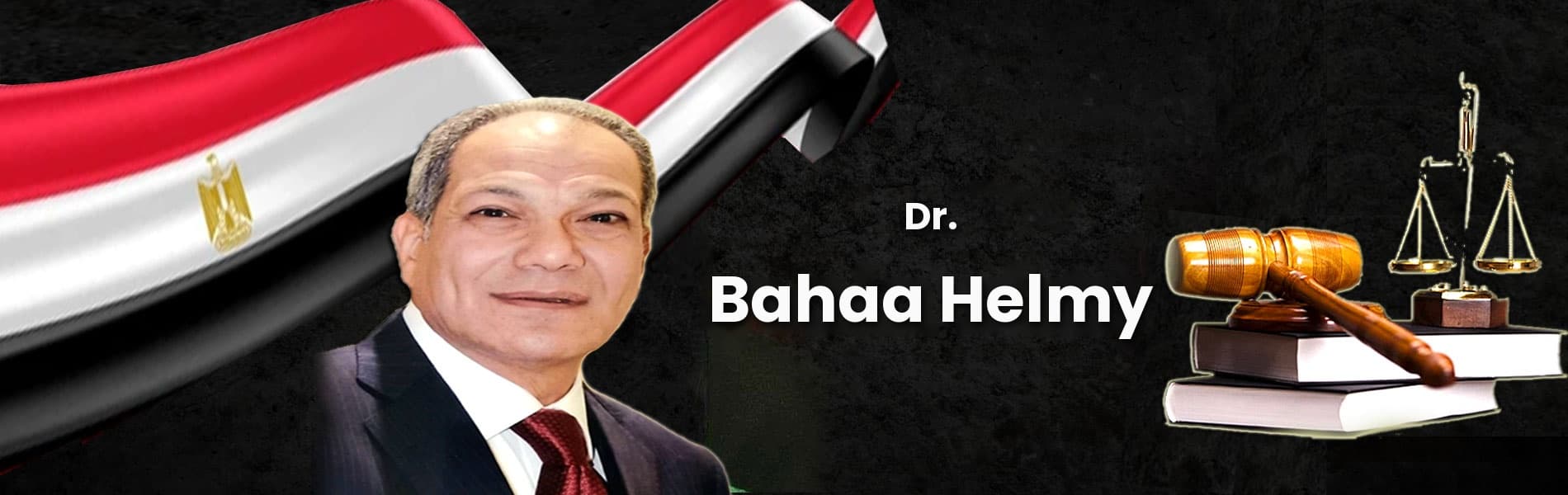
Dr. Bahaa Helmy Writes: The Extension of Residential Leases Violates the Right of Ownership

The Constitution establishes the State's obligation to protect all three types of ownership – public, private and cooperative – and provides that private property is inviolable. The law provides that the contract is the law of the parties, and that a lease must end when the term agreed between landlord and tenant expires; it may not be extended except by a new agreement based on the consent of both parties. As for old leases of indefinite term, the Court of Cassation established a legal principle deeming their term to be 59 years. However, the Egyptian legislator previously issued an exceptional law automatically extending residential leases, under which a residential lease does not end on the tenant's death or departure if his spouse, children or either parent who lived with him until the death or departure remain in the unit, and deemed this a matter of public order in light of the housing crisis the country was going through – what became known as the inheritance of leases, a direction that contradicts the Constitution and the law in every respect. The Supreme Constitutional Court tried to remedy this flaw by ruling to stop the extension of leases to the third generation (grandchildren) in cases arising after the date of publication of its 2002 judgment, to mitigate the severity of the constitutional violation, in what became known as the end of inheriting apartment leases. The law extending residential leases in Egypt contradicts the Constitution and the law and undermines the right of ownership, in addition to what the courts witness in the cases brought, in which it is unclear who actually lives with the tenant, even if that person has another known residence inside or outside the country. Moreover, the law allows the residence of the spouse, children or parents to be proven by all means of proof, including testimony (witnesses) and circumstantial evidence, and tenants usually stand together in testifying against the landlord whatever the situation, in the spirit of "support your brother tenant" against landlords, who may have had a certain image since the July 1952 Revolution. The burden of proof falls on the landlord if he claims otherwise. This means that a landlord's exercise of his private property right in any building whose units were leased under the old system amounts to bearing the consequences and responsibilities of ownership, such as taxes, with the possibility of chairing the occupants' union if he wishes, while the landlord's grandchildren must wait for God's decree to enjoy the dream of living in a building whose apartments, leased to others for housing, they are proven to own. The residential lease has acquired great immunity after being given an exceptional family and collective character, even though it is a temporary contract and its extension violates the right of ownership and undermines the principle of social solidarity. It is no wonder that a tenant may own several buildings or homes that he rents out under the new law, while continuing to occupy his parents' rented unit, which passed to him under the lease-extension provisions. In light of the rule of law, the achievement of equality and the reconsideration of the application of exceptional laws, so as to lay the foundations of a modern democratic state based on the rules of justice and non-discrimination and the protection of private property, the need is clear for the legislator to intervene with comprehensive legislation that suits social conditions and is consistent with the rules governing leases of non-residential premises introduced by the law.