
Dr. Bahaa Helmy writes: The Family... the Cornerstone of Addiction Prevention
Drugs are an age-old social phenomenon, and the methods of combating them have developed at every level, whether through international cooperation or through national efforts: the enactment of legislation and penalties, and ongoing security campaigns to raid criminal dens, particularly drug dens and the places where these poisons are sold and used, the destruction of crops to dry up the sources of supply, and the fight against smuggling, all in order to protect society from their harm.
Globalization has also produced new types and forms of addiction that are no less dangerous than drugs, and whose harmful effects are felt not only on the health of individuals and young people but also on society, the economy and public health. Moreover, the spread of drugs damages the morals, stability and security of society.
Unfortunately, drug use may take hold after the very first time, which may be driven by a whim or simply by curiosity. At first, the drug user may feel joy and euphoria, drifting into fantasy and away from reality; after a while, this turns into regret, lethargy, sadness and idleness.
Treatment of addiction is one of the key pillars of drug-control strategies, and it is here that the role of the family becomes paramount: in keeping watch over the children and detecting any signs that one of them is using drugs or has become addicted, and then in helping them through treatment and getting past this sensitive and critical stage with strength and determination.
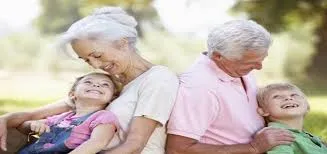
If the individual is the basic building block of society, the family is the first cell in raising and shaping children and the members of that society, for it is the source of upbringing and knowledge for its children, and it is from the family that the individual absorbs faith, values, morals, ideas, customs and traditions.
Parents serve as the good role model reflected in their children, and a stable family is a fortress against addiction, in addition to its role in building the children's personalities, developing their skills and instilling in them a sense of belonging to the family, society and the nation. The more the family respects the dignity, ideas, aspirations and ambitions of its children, the more it refines their personalities and elevates in them a commitment to morals and religious values and keeps them away from bad company. So much for the family's role in raising children; as for its role in monitoring their behavior, it is no less important than the former, its purpose being to detect any signs or symptoms that may point to drug use or addiction, such as: depression and isolation / aggressive behavior / a pale complexion / lethargy and idleness / fatigue upon any exertion / evasiveness and dishonesty / staying away from home / loss of appetite / headaches and red eyes / disturbance of the body's nervous balance / irritation of the mucous membranes / pneumonia / indigestion / inflammation of the body's organs and functions, up to the destruction of nerve cells.
Monitoring children's behavior is therefore of great importance. And while educational, religious, cultural, sports, media and civil society institutions have an important role in combating addiction, the family is the cornerstone in helping children recover from addiction, just as it is in preventing it, because it is the source of compassion, embracing the addict and helping him, treating him as a patient in need of support and backing, and refraining from reprimanding him or using verbal abuse or any other form of violence, for fear of shattering his morale, which is one of the essential foundations on which the rehabilitation, treatment and reintegration of the addict into society are built.
While medical or pharmaceutical treatment to detoxify the user's body is important, it is only one aspect of treatment and not all of it. The family must step in to provide the human, social and moral dimension that contributes to recovery from drug use and the danger of addiction.
Cooperation and an awareness of the culture of embracing users psychologically and physically on the journey of treatment, treating them as patients rather than criminals as long as that is what they are, and helping those affected and guiding them toward treatment, are therefore vital. The State must provide addiction treatment facilities operating under medical and social programs that match international standards and modern methods, alongside its recognized efforts and role in combating drugs at the national level and through international cooperation.
Friday 11/May/2018 - 09:39 AM