
Dr. Bahaa Helmy Writes: The Housing Crisis… Between Solution and Fulfilling the Dream
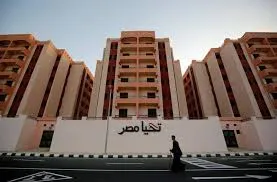
It seems that the housing crisis is on its way to being solved and the dreams of millions of Egyptians fulfilled, after it had been one of Egypt's greatest problems for decades. Its effects showed in limited supply and high prices, because successive governments followed discriminatory policies that worsened the crisis, such as raising the price of land through auctions, privatizing building-materials projects, the monopoly of steel and weakening the role of cooperatives, along with growing bureaucracy linked to corruption and the emergence of new classes of vested interests and beneficiaries. This led investment companies and real-estate developers to race to expand the building of luxury housing with large areas inside luxury residential complexes («compounds»), offered at fantastic prices beyond the means of many groups and of middle- and low-income people, while raising those prices periodically to attract as many buyers as possible and achieve the highest profits – with the State absent and unable to provide suitable housing for citizens and those unable to afford it. This led young people to resort to personal solutions and informal settlements to spread, as the problem of population growth worsened. The State tried to promote the mortgage finance system, but it did not win citizens' approval, given the prevailing belief in society that real estate is the best investment because of its safety and profits, until the crisis worsened and the number of closed and unoccupied apartments reached more than about 12 million. Since taking office, the political leadership has paid attention to the problem of housing and informal settlements, and we have seen the inauguration of many new districts and urban communities with full utilities and services and a civilized appearance, to relocate dangerous informal settlements, alongside many Ministry of Housing projects in the governorates, such as social, middle-income and premium housing, crowned by opening housing in the New Administrative Capital, which proved very popular with citizens. The units of the New Alamein towers were announced, equipped with the latest luxuries and overlooking the world's most beautiful beaches, a qualitative shift in the form, content and concept of luxury and tourist housing in Egypt. Meanwhile, luxury housing is suffering from stagnation and slow buying and selling because of successive waves of global and local inflation and citizens' confidence in the projects offered by the government. This has pushed companies to offer new projects with longer installment periods and no reservation down payments, and to take part in exhibitions to revive their sales, while the government encourages these companies to export real estate, or rather market it abroad, and has amended the rules for granting residence to foreigners who buy any of it in hard currency. The government has also invited real-estate investment companies and the private sector to partner with the public sector to build new units suited to most groups in society in terms of size and cost, giving them a reasonable profit margin instead of the slump hanging over the property market, which, according to market indicators and the growing supply, will last a long time. It can be said that this is the first time a national government has taken hold of the housing crisis in order to solve it, and that were it not for the slump in luxury housing, it would not have been possible to rein in the runaway rise in property prices. We do not mean or hope for such a slump in an industry that has absorbed billions, but it seems that the solution to the housing crisis has become imminent in light of the decline of luxury housing. The profits real-estate developers have reaped exceed Egypt's foreign-currency reserves, and there is nothing wrong with that, but the time has come to cooperate with the public sector and contribute to the government's plans to provide housing for young people. We are not talking about donations or contributions, though that would be a duty, but about lowering the prices of units in slumping projects by giving up part of the profits – bearing in mind that exporting real estate depends not only on price or residence but on the State's efforts and plans to attract investment, develop tourism, upgrade infrastructure, solve the traffic problem and many other elements. Here the question arises about the State's determination and ability to solve the housing problem in Egypt. Has the solution appeared on the horizon? Is there a sincere political will to solve Egypt's housing crisis? Perhaps the results are the most eloquent answer, in light of the pace of work and achievement in building modern Egypt and creating a bright future for coming generations.