
Dr. Bahaa Helmy Writes: The Role and Responsibilities of the Multinational Force in Sinai
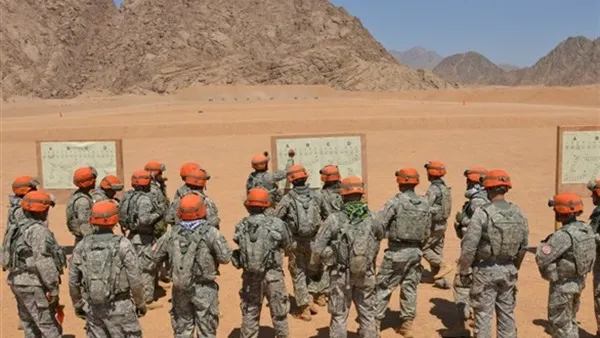
Over the past two days, an American newspaper reported the US Department of Defense’s wish to withdraw its troops from the Sinai Peninsula on the grounds of reducing military expenditure. The newspaper noted that both the US State Department and Israel objected to this. It is worth mentioning that the subject of American participation in this force has been raised before, at times on the pretext of redeploying the troops and at other times on the grounds of cutting costs. The question that comes to mind here concerns the role and responsibility of this force, the legal basis for the powers of the United States to reduce or modify the size of its participation in it, and the extent to which this force is subject to United Nations peacekeeping operations. It turns out that this force was formed in 1982 under the peace treaty concluded between Egypt and Israel under the auspices of the United States, and its strength was set at no more than 2,000 members, military personnel and some civilians. Thirteen countries took part in forming it under American supervision and management; its headquarters is in Rome, Italy, and it has two main branches, in Cairo and Tel Aviv. The peacekeeping force in Sinai is stationed in two bases, the first in the El Gorah area in North Sinai and the second in Sharm El-Sheikh in South Sinai, in addition to observation posts along the eastern border in the separation zone (C on the Sinai side and D on the other side). This force is entrusted with monitoring compliance with the implementation of the agreement and the signed annexes and protocols, and compliance with the troop levels set for the geographical zones; it carries out air patrols and ground operations to make sure there are no violations, intervenes in the event of any breach of the treaty, and works alongside representatives of the two parties to the treaty in liaison offices, and its work continues with no time frame set for its end. It therefore differs from the United Nations peacekeeping forces, which are established by a resolution of the Security Council and operate in accordance with the purposes and Charter of the world organization in maintaining international peace and security, protecting civilians, women and children, upholding the rule of law and human rights, and settling disputes in post-conflict areas, etc. The United Nations organizes peacekeeping operations according to a special organization and equipment, whether they consist of specialized military formations, police units or observers, and the rotation, extension or termination of the mission is decided by a resolution of the Security Council. This is not the procedure followed for the Multinational Force in Sinai, which was formed under the peace agreement; this force is not subject to the United Nations peacekeeping operations, their budget or their administration. The principles of Egyptian policy, which the political leadership publicly reiterates, call for commitment to the path of peace with all the countries of the world, non-interference in the affairs of others, and commitment to all international agreements, without prejudice to Egypt’s rights, sovereignty and national security, and its right to monitor the compliance of the Multinational Force present on Egyptian territory with the prevailing laws and customs and its not exceeding the role entrusted to it, and to cooperate with it in carrying out its tasks accordingly. As for the statements about reducing the size of the participation of the United States of America, or floating the idea or intention of its withdrawal for financial, political or any other reasons, they should be studied before being leaked, and the legal position and the obligations established by the peace agreement it signed should be reviewed; we believe that this is what led the US State Department to oppose it. In any case, the size of the American participation can be reduced, since no minimum level or share of participation in this force is stipulated, in coordination with the countries taking part in this force and the parties to the peace process. The American administration may need to reconsider and reconcile these views with its strategic interests in the region in general. The presence of the Multinational Force in Sinai may contribute to and assist the parties in uncovering any possible hostilities by terrorist organizations or groups launched from Egyptian territory or vice versa; on the other hand, reducing American participation in the Multinational Force in Sinai may send the wrong message to the takfiris, namely that it is an American withdrawal.