
Dr. Bahaa Helmy Writes: The Role of Young People in Facing the Dangers of Rain and Floods
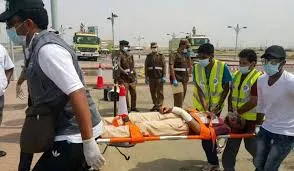
Over the past few days, many Arab countries, such as Kuwait, Jordan, Saudi Arabia, Bahrain and others, have been hit by violent waves of rain and floods, perhaps the first of their kind in ferocity and damage, given the heavy human and material losses they caused. Some Egyptian governorates have also been hit by varying waves of rain and floods, some of them thunderstorms and others torrential, which led to the collapse of a number of houses in some villages and residents fleeing to the mountain tops and high ground. Some governorates are still seeing floods, but, thank God, they have not reached the intensity or force of the floods that millions recently watched on social media. Since rain, flash floods and floods pose a great danger to human and animal life and property, and become active in winter or when climatic changes affect Egypt's weather, the government and the various governorates have announced the measures taken before the flood crisis, along with plans for confronting floods in each governorate should they occur, and the national plan for confronting natural disasters is updated annually at the Cabinet. This is good and consistent with the scientific method and planning for confronting crises and natural disasters, and it specifies the measures to be taken before emergencies, during the crisis and after it ends. However, it is appropriate to identify the lessons to be learned from past experiences in the field of natural disasters, especially in confronting rain, flash floods and floods, whether international or local events, lest rain and floods become more violent and turn into disasters with grave consequences in light of rapid climate change. This requires reconsidering the amount of training on scenarios that simulate reality, and considering the importance of increasing the numbers of trainers and of people qualified to deal with such situations, and how to evacuate and move those affected in stricken areas to designated shelters, as happens in other countries of the world, and to limit the effects of these disasters, which may be accompanied by fires or severe landslides. Of course, there are civil protection forces entrusted with civil defense, and the relevant bodies of the Armed Forces are ready and on alert to deal with such crises, but we do not have sufficient numbers of qualified civilian volunteers or trainees trained to evacuate those affected correctly, to avoid the danger of stampedes. Add to this the importance of entrenching the idea of voluntary work and community service by building and strengthening human capacities to face natural disasters that may exceed the available national capacities and resources. Secondary school students and the like could be trained in evacuation operations, not only in their schools but also in the evacuation plans of cities, districts and villages within their geographic area, and given special badges to play their role in coordination with the relevant bodies. It would be useful to give young people and students the opportunity to learn the elements and procedures of evacuation plans and how to secure utilities such as transformers and electricity poles; to train them in first aid and rescue work; to learn the locations of hospitals, clinics and ambulances, and of emergency shelters such as youth centers, schools and NGOs, and the routes to them; and possibly to encourage schools to provide and equip relief and crisis equipment for training students and for use in emergencies, along with signboards showing the procedures to follow during and after the crisis. Audio and visual media could run a campaign to make citizens aware of the instructions to follow in cases of flash floods, floods and road collapses, whether they are at home or outside it; what the warning means are and the sources and channels of information from which orders are taken; the cases in which the home must be evacuated, and the shelters; and how to cooperate with official and volunteer civil protection and civil defense teams. Encouraging and developing a culture of voluntary work among children and young people brings many benefits to the individual and society, entrenches the values of loyalty and belonging, and makes good use and management of time in times of crisis.