
Dr. Bahaa Helmy writes: The System for Managing and Delivering Mega-Projects in Egypt… A Dream and a Reality
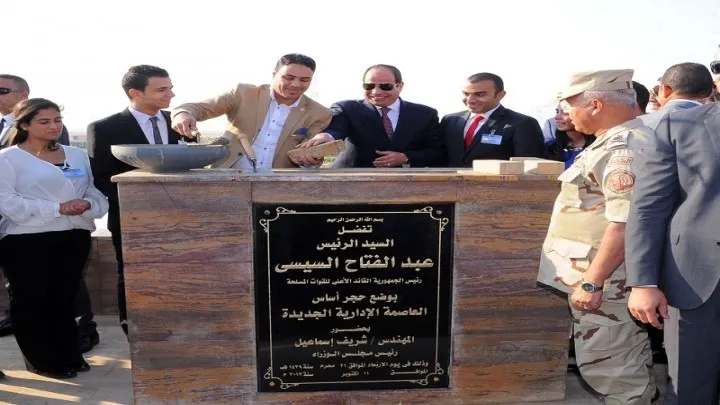
Hardly a week goes by without the inauguration of a number of giant development projects in various fields in our beloved Egypt. Some of these projects had never been announced before, or were deliberately kept undisclosed, out of the conviction that work speaks for itself and that the Egyptian people will see the impact of these projects on the future of the country's economic development.
The scale of the mega-projects being completed on the ground in Egypt has become a reality after having been a dream. This raises the question of how these projects are managed, why there are disparities between the project management methods used in state institutions, and how that system can be reformed.
On numerous occasions, the President of the Republic has announced the plan for carrying out and managing these projects: supervision is entrusted to the Engineering Authority of the Armed Forces, and committees made up of representatives of the state's oversight and auditing bodies are formed to follow up on implementation and take part in handover procedures and in announcing the inauguration.
The work is carried out with the participation of various national companies, and in some projects foreign expertise is called upon, as was the case with the installation of the first giant tunnel boring machine. In addition, Egyptian labor is involved and employed in completing these projects according to set programs, schedules and timelines, adherence to which requires working in shifts around the clock, with continuous follow-up and oversight. There are also decisive and effective mechanisms for dealing with problems and confronting any obstacles in order to overcome them and take the necessary decision to resolve them without delay or hesitation, under a central body responsible for management and for efficiently following up on work plans.
Meanwhile, the situation remains unchanged for projects previously launched by state institutions and bodies in past years that stalled or came to a halt for antiquated bureaucratic reasons, given the absence of a central administration tasked with removing those obstacles away from the complexity and red tape of ministries, authorities and other bodies. These projects thus remain as they are, waiting for life to be breathed back into them so that the sums spent on them so far can be put to use.
We believe the decision-maker had two options for choosing the path to bring about the renaissance of modern Egypt in the shortest possible time. The first was to follow the project management methods that had been in use for decades. The second was to set out with a new mindset based on planning, organization, oversight, follow-up and rationalization, under the supervision of a management that operates with a mindset and philosophy of discipline and commitment.
The second path proved the shortest, the most suitable and the most successful, not only in terms of management and delivery, but also in terms of the speed and quality of delivery, and the emergence of new architectural forms and models distinguished by their beauty and expressive of the spirit of Egyptian authenticity. This has led specialists and technical experts around the world to view these achievements with great admiration and appreciation for the capabilities of Egyptians.
Therefore, every government official must consider how to overcome difficulties within the scope of his territorial and subject-matter jurisdiction, draw on young people and encourage them to innovate and be creative in solving our long-standing problems, and engage in strategic planning for new operations to ensure a better life for the future of our children.
Friday, 02 February 2018 - 12:35 PM