
Dr. Bahaa Helmy Writes: The Tuk-Tuk, Between Chaos and Regulation
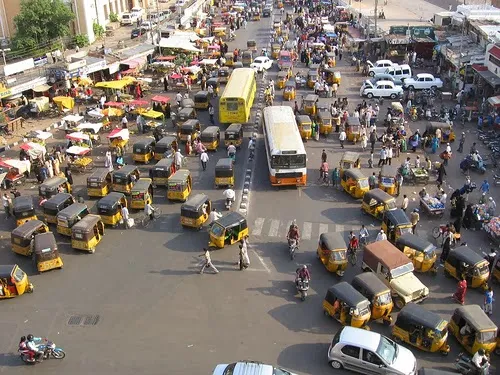
The tuk-tuk problem in Egypt goes back to the failure of successive governments to legalize, regulate and license its use and the scope of its movement, until it became one of the manifestations of lawlessness and a byword for chaos in the Egyptian street, detracting from the civilized appearance that the land of the pyramid builders, of civilization and history, ought to have. The stagnation in solving the tuk-tuk problem lets it spread and worsen day by day, with negative effects on society. It is strange that a country ranked first in the world among the Seven Wonders of the World should allow the import of prohibited equipment and tools, or ones whose licensing is banned, such as the tuk-tuk, the siren and others, which create such problems. The chaos of the tuk-tuk kingdom has many negative effects on the State's security, legal, social and economic situation. From the security and legal standpoint, tuk-tuks pose a real danger to the lives of the citizens who use them, since children drive some of them, they are driven on pavements and against the traffic, and they cut into some main streets and roads in some districts of Cairo and the various governorates. It is common to see tuk-tuks speeding through some districts from and in every direction, without licenses or plates and without any rules for driving them or for respecting traffic rules and principles, which encourages some to commit crimes and break the law, so that many people see the tuk-tuk as a danger to their lives. Socially, although it is one solution to unemployment, it is an attractive environment for craftsmen and tradesmen to abandon their trades and turn to driving tuk-tuks to earn a living for themselves and their families quickly and easily, which has hurt industry and the labor the Egyptian market needs, especially in fields that require physical effort; this means of transport may also entrench mistaken notions and degrade the values of work and production among the young. Economically, it represents a waste of the taxes and fees that should be collected for the State in return for licensing and using these vehicles. Moreover, many young people buying and operating tuk-tuks as a micro or small project with a profitable return and a fast financial cycle constitutes an informal economy that threatens the State's efforts and its economic and monetary policies, and represents a loophole and a window for evading taxes and society's rights. We face a real problem, given the uncertainty about whether accurate databases exist on the number of tuk-tuks or of those who drive them, whether children or adults, the extent of their spread across the Republic, and the trades and crafts affected by them – regardless of who caused the problem or helped worsen it, or for any other reason – since all the evidence and results point to the growing size and sensitivity of the problem, as it is a source of livelihood for many families. Despite the many discussions and opinions on this problem, the latest being the House of Representatives' discussions last February, no framework for solutions appears on the horizon. This calls for quickly developing a comprehensive vision for solving the problem in a way that achieves the rule of law and enhances security and peace of mind in society: setting rules and conditions for licensing and driving to ensure good conduct and limit crimes in this context; building a database of owners and users; setting the taxes and fees for licenses, including the penalties for violating the law and the regulating rules; and establishing a framework of mechanisms for monitoring, evaluating and developing these solutions continuously, so as to address the negatives, maximize the positives and fulfill the hopes of tuk-tuk drivers and users and of society as a whole.