
Dr. Bahaa Helmy Writes: Toilets and Human Rights
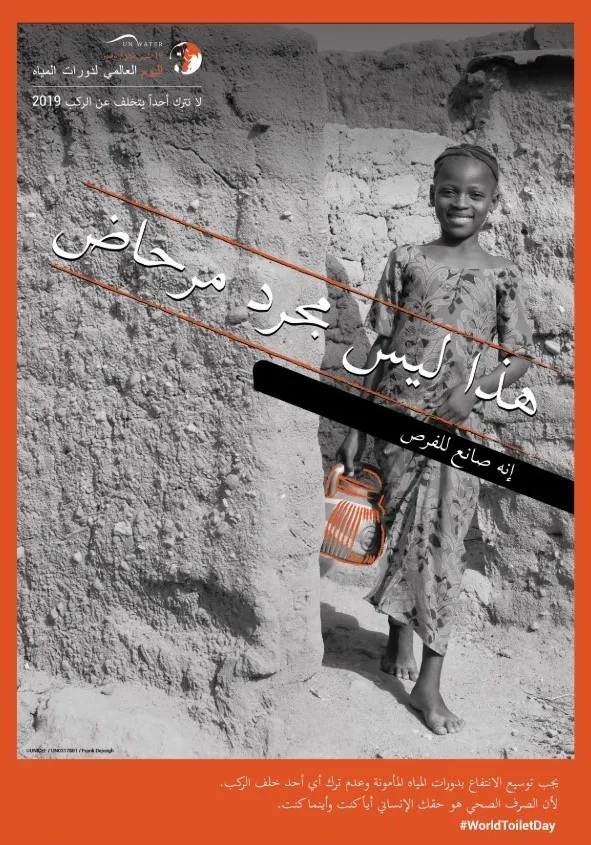
The United Nations celebrates World Toilet Day on 19 November every year, with the aim of urging and encouraging member states to pay attention to providing sanitation services among the poor and to reducing open defecation, because of its harmful effects on public health and the spread of deadly diseases. The UN organization has considered sanitation a matter of dignity and of the safety of women in general, since they should not be exposed to rape and abuse because they cannot obtain toilet facilities that provide privacy; it therefore calls for raising awareness of this issue, with the importance of discussing sanitation issues, promoting hygiene, treating sewage, and treating wastewater and reusing it safely. United Nations reports indicate that about 60% of the world's population — some 4.5 billion people — have no toilet at home, and that about 869 million people around the world have no toilet at all, and that the effects of the human waste of this enormous number of people are devastating for public health, living and working conditions, nutrition, education and economic productivity around the world; World Health Organization statistics indicate that water pollution claims about 1.5 million people a year, and about 361 thousand children under five a year because of poor hygiene. The bathroom is therefore not just a toilet; it is also a means of health and personal protection and a protector of dignity. Regardless of who you are and where you are, safely managed sanitation is one of your human rights. Safely managed sanitation means that several households do not share the same toilet, with waste separated and safely disposed of, or transported outside urban areas and treated there, thus protecting people and the environment from disease. Working on water quality, purifying drinking water, treating sewage, safe reuse and providing a toilet for every household constitute the right direction towards achieving the seventeen Sustainable Development Goals announced by the United Nations for 2030, the sixth of which refers to “clean water and sanitation”. In the past few years Egypt has taken great strides in providing drinking water and sanitation and in building many integrated urban communities, some of them to rehouse the residents of dangerous informal settlements in a manner befitting the dignity of the Egyptian citizen. Many sewage networks have been built in Sharqia, Beni Suef, Nubaria, Borg El Arab, Minya and Luxor and in the villages of “Daqadus in Mit Ghamr, Ezbet El Nahda, El Bandara, Kafr El Dib, Baldam, Abu Sir, 7 Ghabat, El Shaala village and Beni Affan”, and many water desalination projects have been set up, in addition to the new communities and cities equipped with basic utilities according to international standards that are being built across the governorates of the Republic. These projects can be found on the Egypt Projects Map website, which is available to all. On this occasion, it may be considered appropriate to re-examine the construction of public toilets in cities, districts and streets, of the highest standard and efficiency, for relieving oneself — not only for the elderly, diabetics, people with high blood pressure or children, but for the general public, as a right — instead of the threat of Article 278 of the Penal Code, which permits imprisonment or a fine for anyone who commits an indecent act offending modesty. Building toilets for a fixed fee is a system in use in most civilized countries of the world and previously existed in various Egyptian cities; the difference was in the care and attention given to cleanliness. Toilets can be built as equipped buildings connected to public utilities, and not like mobile cabins, to address the problems of transporting waste, and offered to private companies to manage them to maintain efficiency and cleanliness; a prepaid card or plastic tokens could be used to overcome the problem of small change in Egypt, with the possibility of holding a competition to choose the best design and the best system of monitoring and evaluation, so as to ensure that the state bears no expenses while collecting the value of the land use and the value-added tax.