
How Drones Changed the Way Wars Are Fought (1)
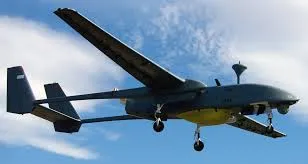
In recent years, the world has witnessed an enormous technological revolution in the field of drones, or unmanned aircraft, which has made them play a pivotal role in changing the way wars and conflicts are fought.
Whereas wars used to be fought mainly through traditional ground and air forces, drones have made it possible to launch attacks and carry out reconnaissance missions without the need for direct human presence on the battlefield before the ground is prepared for the entry of ground forces. The importance of drones lies in the fact that they combine high efficiency with relatively low cost, which has led many countries to adopt them as a main tool in their military strategies.
Drones have developed rapidly in terms of performance, range and the ability to carry out complex missions. Today there are many types of drones, including small drones for reconnaissance and monitoring, and others equipped with missiles and destructive offensive capabilities. Some advanced types can also stay in the air for long periods, up to several days, communicating and being controlled via satellites, which makes them an ideal means of monitoring targets and gathering information without interruption.
This technological development in drones is due to the growing capacity for miniaturization, the use of artificial intelligence to improve self-guidance, and the development of batteries and fuel systems, which gives them great flexibility over long ranges.
With the entry of drones into the battlefields, the rules of war have changed markedly. Through drones, extremely precise attacks can be carried out targeting leaders or strategic points of the enemy, and they also help reduce casualties among soldiers, since operations are carried out remotely, which makes human losses much lower in the preparatory stage of fighting compared with traditional wars.
The ability to reach places that are difficult to access and their use in urban areas is one of the most important features of drones. Since wars today are increasingly concentrated in cities, the use of drones to identify targets and avoid civilian casualties has become necessary and decisive.
The use of drones has developed markedly in modern and ongoing conflicts in the Middle East arena, and in the conflicts in Syria, Yemen, the Karabakh conflict and the Russian–Ukrainian war.
In these wars, drones were used for several purposes, including reconnaissance and intelligence gathering, as well as targeting military vehicles, bases and specific individuals on the basis of the face print and locating them without their carrying mobile phones, relying on facial recognition and the information stored in databases and Google Maps.
This reflects how drones have changed the rules of the game in wars. Ukraine used Turkish drones (Bayraktar) with high efficiency in targeting Russian forces and equipment, and achieved tangible successes in changing the course of the battles remarkably, which highlighted the importance of drones in modern conflicts.
Despite the advantages drones offer, they pose new challenges on the battlefield. First, states must improve their defensive capabilities against drones, since shooting down these aircraft can sometimes be difficult because of their small size and speed. The large-scale use of drones may also lead to increasing reliance on technology and reducing the need for soldiers in some areas, which may raise questions about the nature of future wars and the changing role of traditional armies in some areas.
But drones raise legal and ethical issues. For example, some drones are semi-autonomous, meaning that they take decisions to kill or strike without direct human intervention. This raises questions about legal and moral responsibility in the event of errors or civilian casualties.
It has become clear that drones represent a qualitative leap in the methods of modern warfare, allowing states to carry out precise and effective military operations at the lowest cost and with the fewest human losses. However, many challenges remain that need to be addressed, whether in terms of defences against drones or the legal and ethical dimensions of their use in combat. The impact of the use of drones against Israel was also great (which we will address in our next article).