
Securing National Projects Against Climate and Security Risks
Dr. Bahaa Helmy Writes:
In light of the growing climate risks and natural disasters threatening the various countries of the world, such as hurricanes, floods, earthquakes, volcanoes, lightning and others.
In addition to the security risks that may threaten national projects, seaports and airports, energy sources, public utilities and communications, places of worship and important institutions and facilities in general.
These risks consist of terrorist operations, sabotage or cyber attacks, in light of the turmoil in the world and the targeting of the homeland by the terrorist group and some agencies of hostile states, with the aim of causing the greatest possible human and material losses to undermine stability and security, negatively affect development plans, the economy and tourism, and try to turn public opinion in society.
Examining previous experiences and lessons at the international, regional and national levels shows the importance of exercising the utmost caution to protect lives and our gains by paying attention to strategies and plans for securing facilities against those risks.
With regard to climate risks and natural disasters, which represent emergencies – in which seconds are extremely important – whether in terms of relief efforts or in terms of containing the damage and rebuilding the damaged vital infrastructure so that people, local communities and economies can rise again.
This requires updating the national strategies and plans in light of successive changes for disaster reduction, the strategies for adapting to climate change and reducing the resulting risks, confronting earthquakes and reducing their risks, confronting maritime and Nile disasters, confronting environmental disasters, confronting the effects of extreme weather episodes and reducing their risks, and flash-flood disasters, which were prepared by the Crisis and Disaster Sector of the Council of Ministers, together with the importance of activating the communication strategy to raise public awareness in crises and disasters, since we are not immune from them.
On the other hand, security risks are no less dangerous or important than the risks of natural or environmental disasters, in light of the escalating hostile campaigns against the homeland that aim to undermine stability and the achievements realized every day on the land of Egypt, to obstruct the implementation of development plans and the provision of a decent life and living for all, and to try to change the mood and turn public opinion to achieve their malicious goals, which the Egyptian people previously confronted with all courage and valour out of a pure inner patriotic motive.
This calls for updating and developing the strategies and plans for confronting nuclear and radiological emergencies and evaluating the plans for confronting metro and railway accidents, fires and the crises resulting from various security risks, while drawing up the necessary scenarios for confronting them relying on creativity and imagination by asking: what if..?
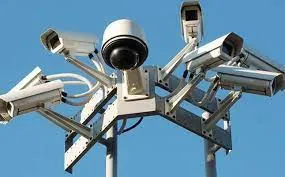
And assigning all the agencies and administrations of important projects and facilities to place crisis management within the strategy of the senior management of each organization or institution, while making use of modern security technology, and adopting the idea of establishing a private security company for each institution or facility, preparing and qualifying its personnel well and strengthening their abilities to predict risks and crises in order to avoid them, to deal with them quickly when they occur, and to carry out their tasks with ability and efficiency.
And considering strengthening capabilities to confront cybercrime by selecting gifted students and young people at the various educational stages and preparing and qualifying them well to carry out their tasks in protecting information and communication networks from penetration or targeting.
While studying the possibility of insuring economic and service projects and facilities with one of the national insurance companies to compensate for any losses in the event of disasters or crises, alongside paying attention to the participation of civil society in raising citizens’ awareness of how to act in the face of those risks. And God is the best protector.