
The Risks of Natural Disasters
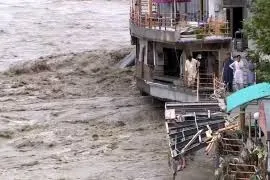
The extreme climatic conditions the world is going through are overwhelming, as natural disasters strike all parts of the world, such as forest and home fires, the burning of power generators, devastating hurricanes, earthquakes, and the tsunami that causes the rise of ocean levels and the melting of the glaciers at the North Pole on the frozen continent.
Besides the disasters resulting from large solar storms, asteroids that may strike the Earth and cause enormous destruction, epidemics and infectious diseases, biological and nuclear wars and other natural and environmental disasters made by man.
These are disasters devastating to human life, whether in terms of deaths and the number of injured, displaced and homeless, or in terms of the economic losses and damage inflicted on the various states and societies, especially developing countries and poor communities.
UN warnings follow one another about the environmental disasters that will occur over the next two decades as a result of unprecedented rises in temperature, which will lead to rising sea levels and the flooding of coastal cities and even entire countries.
Natural and environmental disasters therefore represent a tragic situation in which the pattern of daily life is suddenly affected and people consequently need protection, clothing, shelter, medical and social care and the other necessities of life.
Egypt was a pioneer in preparing national strategies and plans to confront disasters and emergencies and to prepare and get ready to deal with their consequences, and what this requires in terms of raising technical, human and organizational capacities so as to be able to face these events in a way that reduces the loss of life and property and restores conditions to what they were before these disasters occurred.
The Crisis and Disaster Management Department of the Information and Decision Support Centre was upgraded to the level of a sector in 2015, and the National Committee for Crisis and Disaster Management and Risk Reduction was reconstituted in 2016 to include representatives of all state institutions.
More than 14 national strategies and plans have been announced for dealing with such crises and disasters in the stages before the crisis, managing it when it occurs, and afterwards, including the drawing up of scenarios and training on them and raising the level of public awareness.
Hence we raise our cry for the need to build capacities and train human cadres in all the institutions and bodies concerned that are entrusted with dealing with these crises and disasters, to limit their negative effects on society.
And to build a national early warning system along the lines of the plan of the Pentagon towards relying on artificial intelligence in confronting natural disasters and providing humanitarian aid in stricken areas, and developing artificial intelligence algorithms to improve decision-making at early stages of natural disasters and the accompanying humanitarian efforts, alongside building a sound culture among citizens for dealing with disasters and reducing their risks.
The preparedness of the government and the bodies concerned with rescue, treatment and the provision of shelter and food for the residents of stricken areas, and raising citizens’ awareness of how to act positively when facing disasters, spare society any social or economic disturbances.
Our addressing this subject is not intended to frighten people or to burden the government and national institutions with additional burdens, but to analyse the indicators of the natural disasters striking the countries of the world, to mobilize all energies and capabilities to limit their repercussions, and to shed light on the importance of strengthening the national culture and raising citizens’ awareness so as to organize their efforts in confronting the repercussions of such disasters if they occur.
For many citizens of developing countries, where illiteracy rates are high and which are characterized by a weak culture of organized volunteer work when dealing with natural and environmental disasters, may constitute additional burdens and negatively affect aspects of life and stability in society.
The time has come to acquaint citizens with their role in the event of crises or natural disasters, guide them to their duties, and avoid the risks of random gatherings or of obstructing rescue, treatment, evacuation or food distribution efforts. With prior announcement of the shelters that can be used in all governorates and cities in the event of crises and natural disasters.
And activating the role of the media in announcing new short emergency numbers to receive distress calls and requests for support and rescue, while preparing call-takers well and maximizing their role in speedy response and calming citizens.
While drawing up a national media plan to announce the efforts of the state and citizens in the event of disasters, and to request the necessary international support to confront those disasters in accordance with the agreements concluded. And God is the best protector.