
The State of the Syndicate Head and the Syndicate
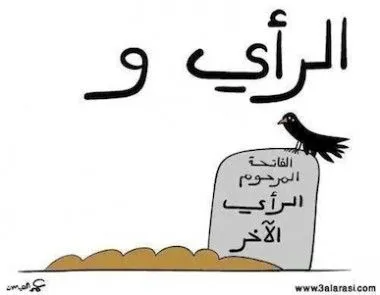
Dr. Bahaa Helmy Writes:
The courts are crowded with lawsuits filed by members of professional syndicates against some syndicate heads and their councils, whether to claim rights, to annul decisions issued against them as a settling of electoral scores, to limit the admission of people who do not meet the membership conditions in order to build a supportive electoral base for him, or against the head’s actions in embracing those who belong to an ideology that does not believe in citizenship or human rights, and other problems.
This is due to many reasons, most notably: failure to respect the rule of law; the practice of dictatorship; syndicate councils taking decisions that violate rights and freedoms; concentrating effort on aborting the principles of democracy and transparency in the syndicate’s work; the quick temper and anger of some under the influence of old age, which reflects negatively on the decisions issued against members; and some syndicate heads’ loss of the principles and arts of leadership and management and the foundations of human resource development, which affects the ability to control the course of affairs in the syndicates.
The existence of more than 30 professional syndicates, each with a law and regulations governing it, without effective oversight means to safeguard funds and the ways they are disposed of, which may affect the ability of these entities to meet their obligations, such as medical care, pensions and social welfare for their members, which reflects negatively on national security.
Is it reasonable that the conditions for candidacy for President of the Republic include that the candidate not suffer from a physical or mental illness affecting the performance of his duties, while the syndicate laws do not include this important condition for the syndicate head and the members of the syndicate council?
If the retirement age under the Civil Service Law is 60, and in most foreign countries 65 according to the person’s wish and ability, and the United Nations stresses the need to care for older persons over the age of 80 by addressing the issues of ageing set out in 62 points, which the General Assembly dealt with at its first meeting in 1982, and likewise at the second meeting in 2002 in Madrid, Spain.
The world organization calls for specific measures to care for older persons at the age of 80, such as health and nutrition, consumer protection, the environment, the family and welfare, and it has also dedicated an international day to them in honour of and gratitude for their contribution.
There is no doubt that the experience accumulated by older persons is a reserve from which we draw expertise in various fields, without exhausting them or affecting their physical and mental condition, which changes according to the age of each older person.
The examples of lawbreaking by some syndicate heads and their councils are very many; some of them are possessed by narcissism to the point of feeling that they are a state within the state, and that they are above the Constitution and the law, and even above human beings, without any regard for the principle of the rule of law.
Insisting on excluding others and practising discrimination against members, together with the irritability and quick temper that accompany old age, and referring young members
who criticize the policies of discrimination to disciplinary boards; add to this that some syndicate officials, most regrettably, resort to escaping the problems and crises hitting the syndicate by creating social problems without any clear justification.
These are all negatives that call for decisive treatment to purify the work of the professional syndicates and their visible and hidden administrations.
We call on the Egyptian legislator to reconsider the laws of the syndicates and federations by establishing a unified syndicates law as a general framework that includes the conditions for candidacy, including an examination of the physical and mental condition of candidates, and that the age of the candidate not exceed 75, to ensure good performance and also to preserve the rights of older persons; and to reduce the number required to call an extraordinary general assembly to withdraw confidence from councils that violate the provisions of the Constitution or rights and freedoms, break the law, follow policies that threaten national security or lead to the waste of public funds, with their referral to the competent investigative authorities; each syndicate would draw up the necessary administrative and technical rules, approved by the syndicate’s general assembly and submitted to the Council of State for review before being returned to the syndicate for ratification, following the example of the draft laws referred by the House of Representatives for review and returned for final approval. To be continued.