
Values and Respect for Others… Practice and Behaviour
Dr. Bahaa Helmy Writes:
The announcement by the Minister of Education of the inclusion of a new curriculum on the values of morality, citizenship and respect for others under the slogan “Together We Build”, starting from the third grade of primary school, and a curriculum on “Building the National Character” for the secondary stage.
At the press conference held to announce the details of the new school year and the preventive measures against the virus (COVID-19), in implementation of the directive of the political leadership and in fulfilment of the presidential promise to the child Mohannad, was an inspiring announcement by every measure.
This subject raises many questions, such as: what, I wonder, are the form and content of these programmes and their topics? Is it a standard textbook with topics and phrases to memorize? Or are they different in method, style and delivery? Who will be entrusted with teaching these subjects? What are their qualifications, convictions, ideas and the ideology they embrace? And what are the means and criteria for measuring the student’s level of attainment and improvement in behaviour?
And many other questions, full of hope and mixed with fears that the idea and the goal will be lost.
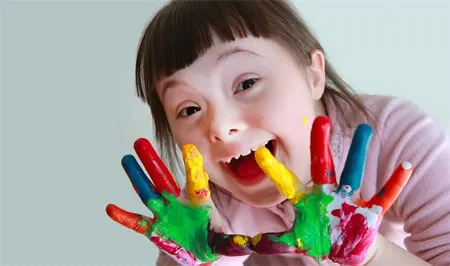
I have seen with my own eyes the behaviour and practices of some schoolboys and schoolgirls of various ages at one of the occasions to which I was invited, held to celebrate people of determination and resolve with special abilities.
I saw the most beautiful celebrations and the closest to my heart, a scene of integration in which the visiting boys and girls took part with those being celebrated in happiness, joy and innocence, drawing
puppets, racing in swimming and tug-of-war, taking souvenir photos and exchanging telephone numbers under the care of the supervisors, with the celebration ending with the playing of the national anthem and the saluting of the flag.
On another occasion I followed a convoy of pupils from a nuns’ school during a visit to the (Ahbab Allah) centre for people with special abilities, bringing with them the programme of the celebration, which is based on participation and interaction with the people of determination.
And each pupil in the convoy was assigned to prepare a report on the points of excellence, the most prominent values and the ways in which the visit was beneficial, together with the suggestions that could be implemented in future visits, in a general presentation in front of their peers who had not taken part in the visit.
I asked one of the supervisors how much the time of these visits affected the time of the lessons, and what the return from these visits was.
She answered that these visits are part of the programmes for building the Egyptian character and respecting values and morals, and developing the spirit of tolerance, citizenship, responsibility and community participation among the pupils; they are also an essential element in stimulating a positive spirit in them and in people with special abilities, and in respecting and honouring their role in society.
She went on to talk about the positive energy the pupils had gained from previous visits made in the same school year, such as visiting care homes for the elderly, interacting with them and helping them, and visiting the people of some of the neediest villages, distributing some necessary living essentials to our people without being asked to do so.
We agree together on the importance of training and educating teachers and supervisors who have the ability and the desire to volunteer to take part in this wonderful work, and on entrenching the values of respect for others and of giving without discrimination, regardless of colour, sex, creed, thought, ideology, language, disability or any other reason.
We hope that the topics of the curriculum and the values textbook will be a place for pupils to record what they gained from the field visits by ticking boxes with the help of the trainers, and to record their observations after discussing them and correcting their ideas.
While developing the method of teaching and delivery for each age stage separately, with each student recording their impressions, how much they benefited from the field meetings, and their suggestions, so that values and morals become practice and behaviour.
With the possibility of holding competitions between schools, “monthly, quarterly or at any recurring interval”, to compete in choosing the best and most beautiful programmes in the field of entrenching values, morals and behaviour, along the lines of the Quran memorization competitions.
While making use of those occasions to present features of the Egyptian military and security doctrine through films, videos, cinema clips, practical scenarios, and stories and tales about heroes and features of redemption and sacrifice.
And the state’s efforts in education, health and building the Egyptian person, while giving our children, students at the various educational stages, the opportunity for expression, innovation and creativity, in order to reach the highest goal, which is to instil national and human values and respect for others, and to confront the ideology of hostility and violent extremism of the people of evil and aggression.