
What Are Wireless Devices?
Dr. Bahaa Helmy:
It may come to mind that wireless devices are those used by the security institutions of the various countries of the world, but the truth is that most of the earth’s inhabitants use such devices. And no home is without some of them.
Wireless devices are devices that use wireless communications and signals, such as (mobile phones – computers and tablets connected to the internet (WI-FI) – (GPS) systems in cars and various vehicles – surveillance cameras, televisions and speakers connected to the internet, as well as household appliances and lighting connected to the internet and others), which work on the (LOT) system, short for the Internet of Things, which began to be promoted in 1990.
In this system it is possible to control it remotely, switching household appliances on or off, and controlling the opening and closing of the home’s door through the mobile phone using the internet.
Besides that, all the short- or long-range wireless means of communication that work over the internet, such as those used in some institutions or companies and factories, or malls and markets, and even children’s toy walkie-talkies that send and receive using the World Wide Web, are all wireless devices.
And in the world of communication technology in which we live now and in the future, all the devices that individuals need may all work .(ON LINE)
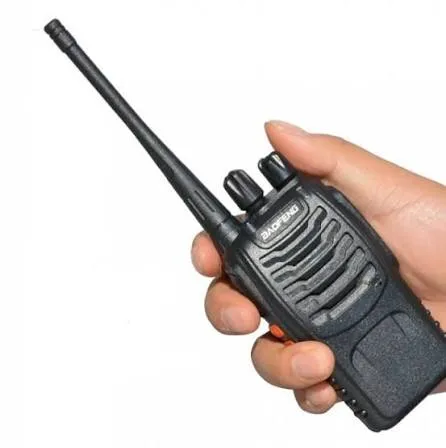
And there is another type of device that works over frequencies using communication networks within a specific geographical area, such as radios and communication devices such as (walkie-talkies), short- or long-range, many of which are sold in shops and on e-commerce sites and do not require a licence from any body.
In light of the incident of the explosion of (PEGERS) pager devices; the pager is a small device with a screen that receives text (written) signals or an alert sound for its bearer, and is usually used to call doctors or to call or alert certain persons to contact the source by telephone, for example, and these devices work over the internet.
And the next day, the communication devices that work on radio frequency were detonated to injure their user or bearer or whoever was near them; it is an unprecedented and surprising event, and whatever the means and methods of detonating these devices that work over the internet or by frequency, it is a declaration of one of the forms of cyber (electronic) warfare, and it does not differ in its effect from the technology of drones, including suicide drones.
But there is a fundamental difference in the detonation operations, which is placing or slipping explosive material inside those devices; it is true that some mobile phones may cause fires or injuries as a result of the explosion of batteries
and poor chargers, but the explosions that struck the Lebanese were the result of booby-trapping the devices and detonating them remotely by the mind of the electronic devil who planned, prepared, equipped, detonated and killed.
This makes it imperative for us to benefit from these deadly lessons by tightening the security procedures for all wireless means of communication and those that work by frequency throughout the country, on two axes: the first is careful examination by specialists on their entry into the country, whether by shipment or accompanying individuals, not being content with using explosives detectors; the batteries and their charging means must be examined carefully, and their means of handling through the supply chains up to the port of arrival must be uncovered, with an obligation to submit a certificate of origin guaranteeing that the devices are free of any explosive danger, as well as a certified movement certificate from the transit ports up to arrival confirming that they have not been tampered with.
And the second axis: carrying out specialized campaigns to review all such devices offered in shops, instructing all their users to have them calibrated for a small fee, and not selling them except with a licence, while setting general rules and instructions for marketing them electronically or circulating them. The intention here is not to frighten but to raise awareness, protect, and benefit from previous lessons and experiences, and to beware of the treachery of the people of evil.