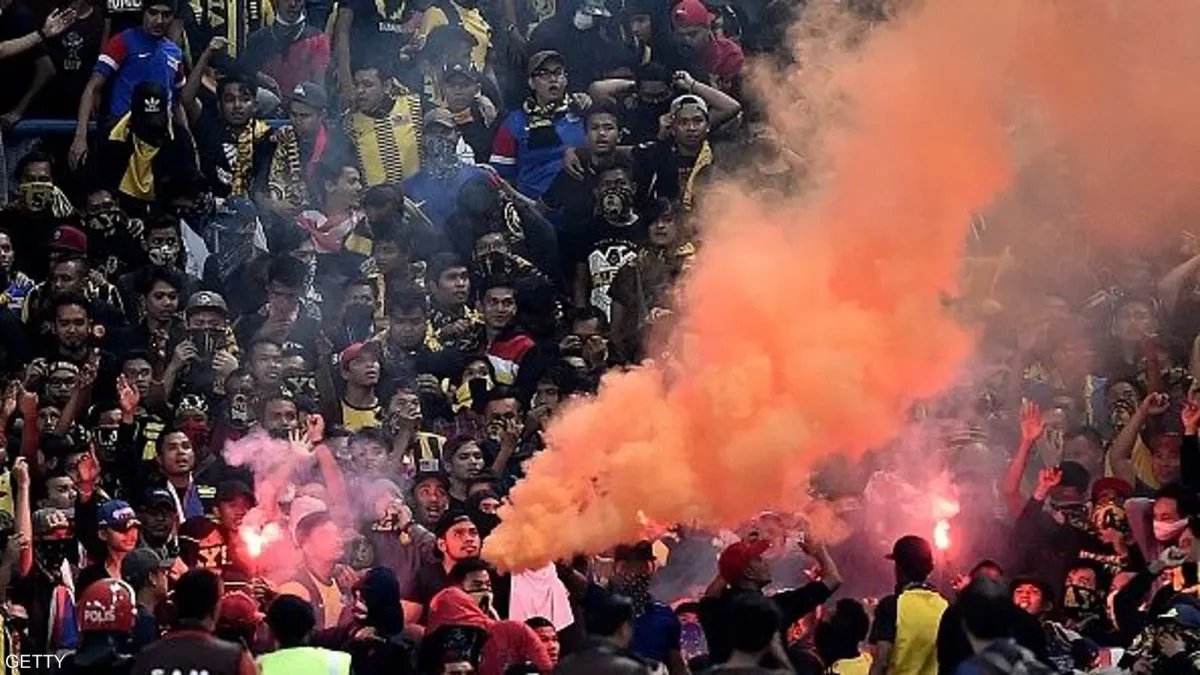
The indicators lean towards the possibility that the upcoming American elections will be accompanied by tension that may reach the point of riots and violence, a tension that cannot be isolated from what we see in France, Spain and elsewhere.
The causes differ in their details, but the environment is the same: eroding trust in institutions, widening anger among young people, and a digital space that amplifies anger faster than politics can absorb it.
Perhaps what makes this environment more prone to escalation is the combination of two things: a cost of living that weighs on families and makes them feel that tomorrow will be harder than today.
And a sharp division between the two major parties that has turned from competition over programmes into hostility over identity.
Economic hardship alone generates anger, and political division alone generates polarization, but their combination gives anger an address and a ready-made opponent.
And when each side sees the other as a danger rather than a partner, any spark – a disputed result, a sharp statement or a fabricated clip – can go beyond the ballot boxes to the street.
The question is not how much the street will burn, but how much capacity states have to listen before anger speaks.
